Porcelain Veneers
A More Refined Smile—Designed to Look Like You
Porcelain veneers can transform the color, shape, proportion, and balance of your smile while preserving a beautifully natural appearance.
At Mandarin Dentistry, every veneer is planned with intention. The goal is never to create a generic or overly perfect smile. It is to create a result that feels confident, polished, and entirely your own.
Porcelain veneers are thin, custom-made restorations that are bonded to the visible surfaces of selected teeth.
They can be used to refine several aspects of a smile within one coordinated treatment, including color, shape, size, spacing, and symmetry.
The beauty of porcelain lies in its ability to reflect light in a way that resembles natural enamel. When carefully designed, veneers can feel seamless within the smile rather than appearing artificial or overly uniform.
Every detail matters:
Natural Beauty Is Found in the Details
The shape of each tooth
The proportion between neighboring teeth
The amount of translucency
Subtle variations in color
The relationship between the teeth and gums
Surface texture
Our approach balances these details to create a result that looks elevated without losing its natural character.

What Can Veneers Address?
One Treatment, Many Possibilities
Porcelain veneers may be considered for teeth that appear:
Permanently discolored
Worn or shortened
Slightly spaced
Chipped or mildly damaged
Uneven in shape or size
Mildly misaligned
Resistant to professional whitening
Disproportionate within the smile
Affected by older cosmetic work
Veneers may be used to improve one tooth, several teeth, or the visible portion of a smile.
The number of veneers recommended depends on your goals, smile line, existing teeth, and how much change is needed to create a balanced result.

Our Approach
Designed Around the Person, Not a Trend
Cosmetic dentistry should never begin with the assumption that everyone wants the same smile.
Some patients want a bright, polished transformation. Others want a subtle refinement that friends and family cannot quite identify. Many fall somewhere in between.
Your preferences guide the direction of your care. Our doctors provide the experience, planning, and honest recommendations needed to translate that vision into a healthy, realistic treatment plan.
Before discussing materials or tooth shapes, we want to understand:
What you currently like about your smile
What you would like to change
How natural or transformative you want the result to feel
Whether there are specific smiles or features you admire
Your preferences regarding color, shape, and proportion
Your long-term expectations
Your comfort with the treatment process
Your Veneer Consultation
Understanding What Is Possible
Your consultation is an opportunity to explore your goals without pressure.
During the visit, your doctor will evaluate your smile as a whole—not simply the individual teeth you would like to change.
You will have time to ask questions and consider your options before deciding whether to proceed.
Your consultation may include:
01
A conversation about your vision
We will discuss what you notice about your smile and the kind of result you would like.
02
A comprehensive dental evaluation
Your doctor will examine your teeth, gums, bite, existing restorations, and overall oral health.
03
Digital records
Photographs, intraoral scans, and imaging may be used to study your smile and support treatment planning.
04
A review of possible treatments
We will explain whether veneers are appropriate and discuss alternatives such as whitening, bonding, clear aligners, or crowns.
05
A personalized plan
If veneers are recommended, your plan will outline the proposed teeth, treatment sequence, anticipated timeline, and financial information.
A Beautiful Result Requires a Healthy Foundation
Veneers should only be placed after the health of the underlying teeth and surrounding gums has been carefully evaluated.
Before treatment, we may need to address:
- Tooth decay
- Gum inflammation or periodontal disease
- Cracks or weakened tooth structure
- Active tooth sensitivity
- Bite-related concerns
- Teeth grinding or clenching
- Root canal concerns
- Older restorations that may affect the plan
Placing veneers over unhealthy or unstable teeth can compromise both the result and the long-term health of the smile.
Our doctors will explain any recommended preparatory treatment and why it matters.
Digital Planning
Precision Before Treatment Begins
Digital technology allows us to gather detailed information about your smile and plan with greater precision.
An intraoral scanner creates a three-dimensional digital model of your teeth and bite without traditional impression material.
Digital planning is an important tool, but it does not replace thoughtful judgment or your input. Every final decision remains guided by your health, goals, and preferences.
These records help us study:
Tooth position and alignment
Shape and proportion
Available space
The relationship between the teeth and gums
Existing wear or damage
Bite patterns
The number of teeth visible when you smile
How veneer treatment may coordinate with other care
The Veneer Process
From Consultation to Final Smile
The veneer process is carefully sequenced to support a precise and predictable experience.
A follow-up visit may be recommended to evaluate your comfort, bite, and gum response after you have had time to settle into the result.
Step one
Consultation and Planning
We evaluate your oral health, discuss your goals, and gather the records needed to plan your smile.
Step two
Preparatory Treatment
If whitening, gum treatment, clear aligners, or restorative care is recommended first, those services will be completed in the appropriate sequence.
Step three
Tooth Preparation
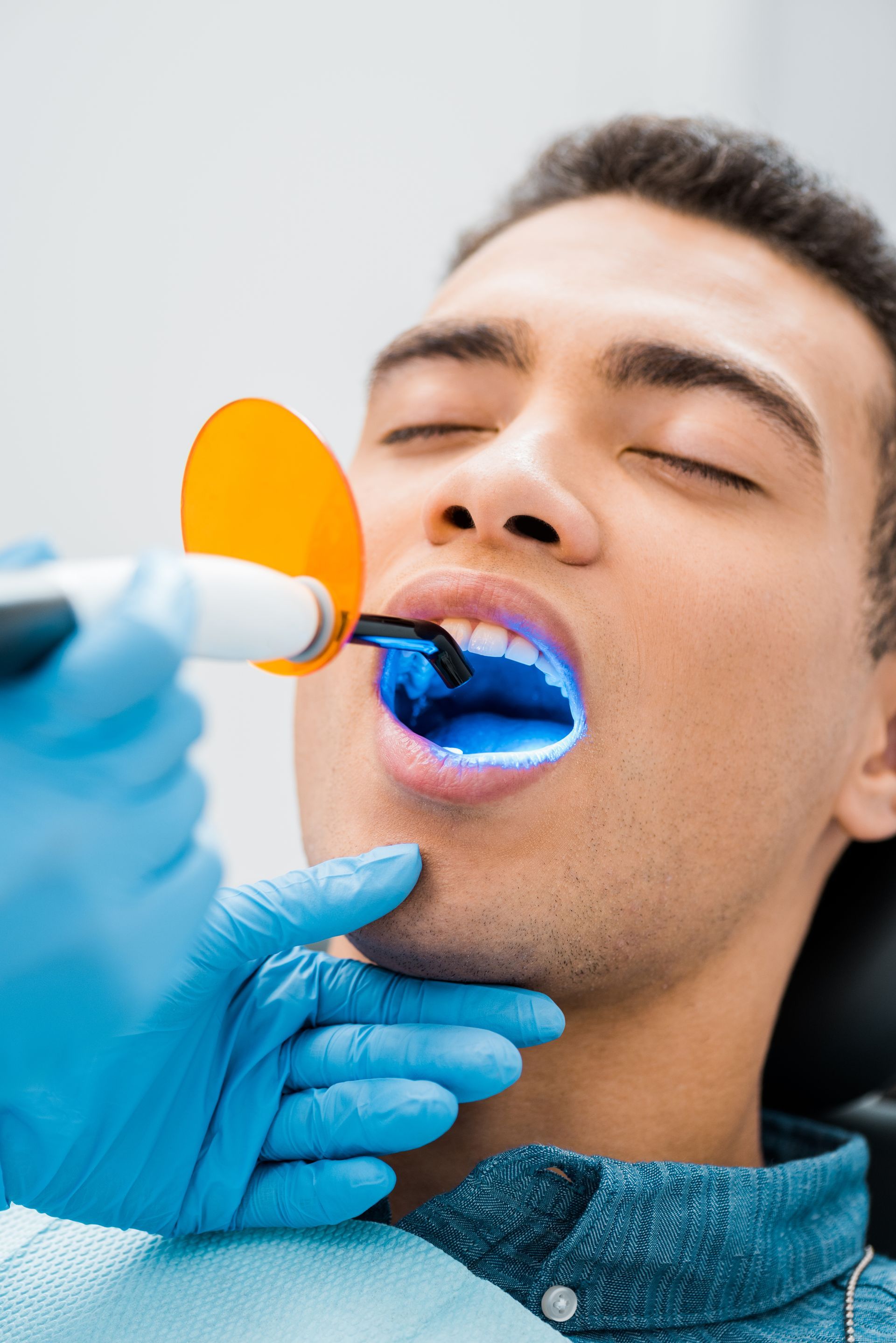
A controlled amount of enamel is generally removed from the front and sides of the selected teeth to create space for the veneers.
Step Four
Digital Scanning
A detailed digital scan records the prepared teeth and surrounding bite.
Step Five
Temporary Veneers
Temporary veneers may be placed while the final restorations are being created. They protect the prepared teeth and provide an early sense of the intended direction.
Step Six
Final Evaluation
Before bonding, your doctor evaluates the fit, shape, proportion, color, and relationship between the veneers and your bite.
Step Seven
Bonding
Once the details have been approved, the veneers are carefully bonded to the teeth.
Step Eight
Refinement
Your bite is checked, final adjustments are completed, and the veneers are polished.
Choosing the Right Shade
Brighter Does Not Always Mean Better
The right veneer shade should complement your natural coloring, surrounding teeth, and desired level of change.
Some patients want a noticeably brighter smile. Others prefer a softer shade with subtle variation and warmth.
We consider:
Your skin tone and facial features
Any planned whitening
The translucency of the porcelain
The number of teeth being treated
Your personal preferences
The color of neighboring natural teeth
If surrounding natural teeth will remain visible, professional whitening may be recommended before veneer treatment. This allows the veneers to be designed around the preferred final shade.
Porcelain Veneers vs. Chairside Veneers
Understanding Your Options
Mandarin Dentistry offers both porcelain and chairside veneer options for appropriate cases.
Porcelain Veneers
Porcelain veneers are custom restorations created outside the mouth and then bonded to the teeth. They offer excellent control over color, translucency, shape, and surface detail.
Chairside Veneers
Chairside veneers use tooth-colored restorative material that may be designed and shaped more directly or through an in-office digital workflow. They may require fewer visits and can be easier to repair if damaged.
The right option depends on:
The amount of change desired
The condition of the teeth
Bite and tooth position
Maintenance considerations
Aesthetic expectations
Treatment timeline
Your doctor will explain the advantages and limitations of each approach.
Veneers vs. Crowns
Different Restorations for Different Needs
Veneers and crowns are not interchangeable.
A veneer primarily covers the visible front surface of a tooth and is often used to improve appearance when the tooth retains enough healthy structure.
A crown surrounds more of the tooth and may be recommended when significant damage, decay, fracture, or a large existing restoration requires additional protection.
Our doctors will recommend the most conservative option that can responsibly support your health, functional needs, and desired result.
Alternatives to Veneers
The Best Treatment May Be More Conservative
Veneers are not the only way to improve a smile.
Depending on your concerns, an alternative may achieve the desired result with less alteration to the natural teeth.
Options may include:
Cosmetic bonding
Tooth-colored fillings
Gumline refinement
KöR teeth whitening
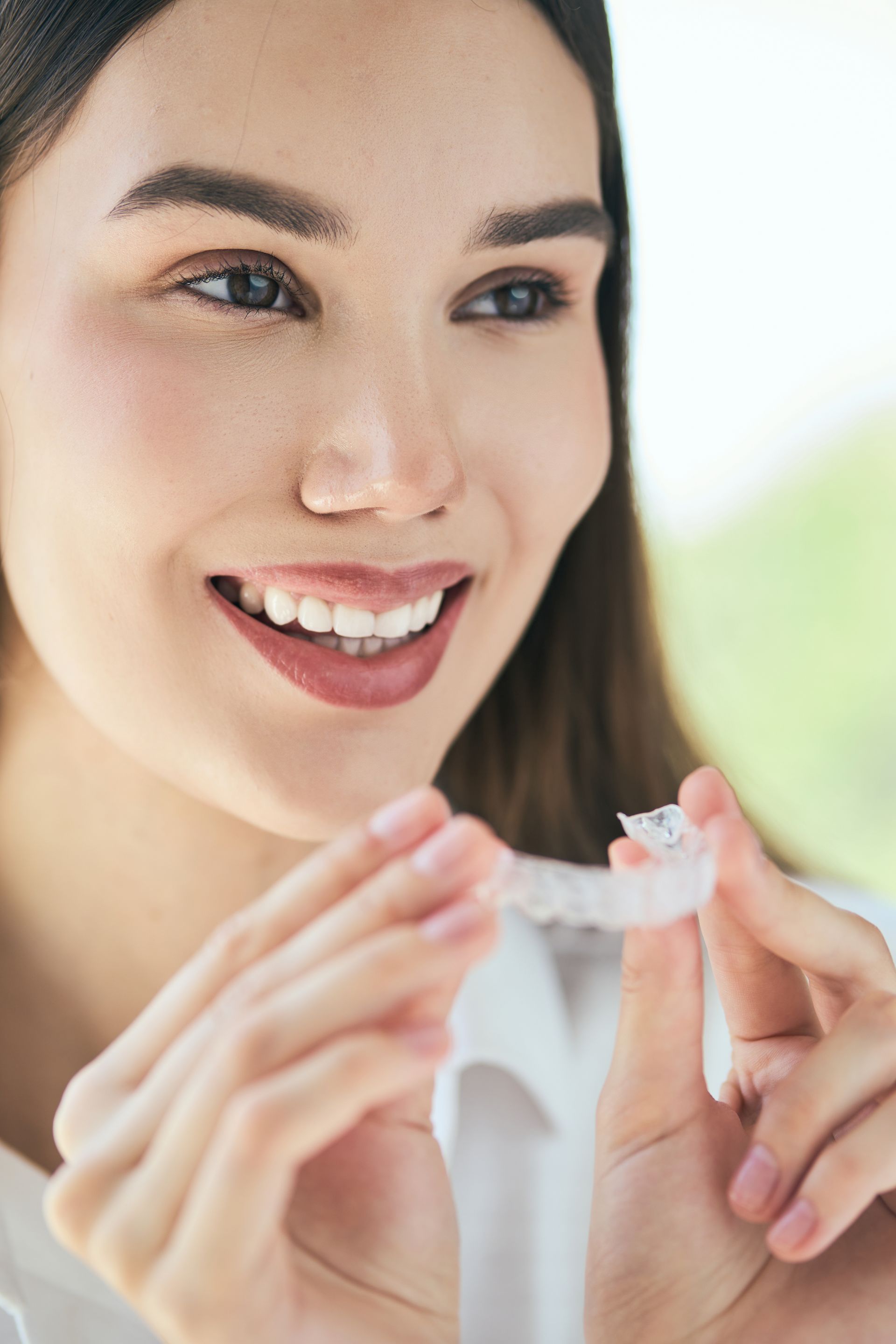
SureSmile® clear aligners
Dental crowns
For example, aligning and whitening the natural teeth may reduce the number of veneers required—or eliminate the need for them entirely.
Our responsibility is to explain the options, not simply recommend the most extensive treatment.
Are Veneers Reversible?
An Important Decision Deserves Honest Guidance
Porcelain veneer treatment generally requires the removal of some natural enamel.
Because enamel does not grow back, veneer treatment should be considered permanent and is not regarded as reversible.
Veneers may eventually require repair or replacement because of wear, damage, changes in the gums, or changes to the underlying teeth.
You should feel fully informed and confident before making a permanent change to your smile.
Before treatment, we will discuss:
The amount of preparation anticipated
Alternative options
Long-term maintenance
The possibility of future replacement
Your responsibilities for protecting the result
Any factors that may increase the risk of damage
Protecting Your Veneers
Caring for Your New Smile
Porcelain veneers require the same consistent hygiene as natural teeth.
Although porcelain cannot develop decay, the natural tooth beneath and around the veneer remains vulnerable.
To protect your veneers:
- Brush twice a day with fluoride toothpaste.
- Clean between your teeth every day.
- Attend dental examinations and professional cleanings.
- Avoid biting fingernails, pens, ice, and other hard objects.
- Do not use your teeth to open packages.
- Wear a mouthguard during contact sports.
- Wear a recommended nightguard if you grind or clench.
- Contact us if a veneer feels loose, rough, or different.
Regular visits allow us to monitor the veneers, gum health, bite, and surrounding teeth.
A Personalized Plan With Clear Information
The cost of porcelain veneers depends on:
- The number of teeth included
- The complexity of the case
- The materials and fabrication process
- Whether preparatory treatment is needed
- Whether veneers are combined with other services
After your consultation, we will provide a detailed treatment plan, anticipated timeline, and clear financial information.
Porcelain veneers are generally considered cosmetic and may not be covered by dental insurance. If part of your treatment may qualify for benefits, our team can check your plan.
Financing may be available through CareCredit and Proceed Finance for qualified patients.
Frequently Asked Questions
How many veneers will I need?
The number depends on your smile line, the teeth visible when you speak and smile, your goals, and how the veneers will blend with untreated teeth. Some patients need one veneer, while others benefit from treating several teeth.
Do porcelain veneers look natural?
They can look highly natural when their shape, proportion, shade, translucency, and surface details are carefully designed around the patient.
Does getting veneers hurt?
The teeth are typically numbed during preparation. You may notice temporary sensitivity or gum tenderness afterward. Please contact us if discomfort is significant or does not improve.
Will my teeth be shaved down?
A controlled amount of enamel is generally removed to create space for porcelain veneers. The amount varies according to tooth position, treatment goals, and material requirements. We will explain the anticipated preparation before treatment.
Are porcelain veneers permanent?
Veneer treatment is considered permanent because natural enamel is generally removed. The porcelain itself may eventually need repair or replacement.
How long do veneers last?
Longevity varies according to the material, bite, home care, habits, and other individual factors. No veneer lasts forever.
Discover What Is Possible for Your Smile
Your veneer consultation is a conversation about your goals, your options, and the details that will make your result feel uniquely yours.