Periodontal Treatment
Healthy Gums. A Stronger Foundation for Your Smile.
Your gums play an essential role in the health, comfort, and longevity of your smile.
Mandarin Dentistry provides personalized periodontal care to address inflammation, manage gum disease, and protect the structures that support your teeth.
Caring for More Than Your Teeth
Healthy teeth depend on healthy gums and supporting bone.
Periodontal disease can develop gradually, often with subtle symptoms that are easy to overlook. Without appropriate care, the condition can progress and affect the tissues and bone that hold your teeth in place.
Our approach focuses on understanding the current health of your gums, identifying the factors contributing to the condition, and creating a treatment plan designed around your specific needs.
The earlier concerns are recognized and addressed, the more opportunities we have to protect your natural smile.
Understanding Gum Disease
Gingivitis and Periodontitis Are Not the Same
Gum disease can exist at different stages.
Periodontitis requires professional treatment and ongoing maintenance. While lost support cannot always be restored fully, the condition can often be managed to protect your oral health and reduce the risk of further progression.
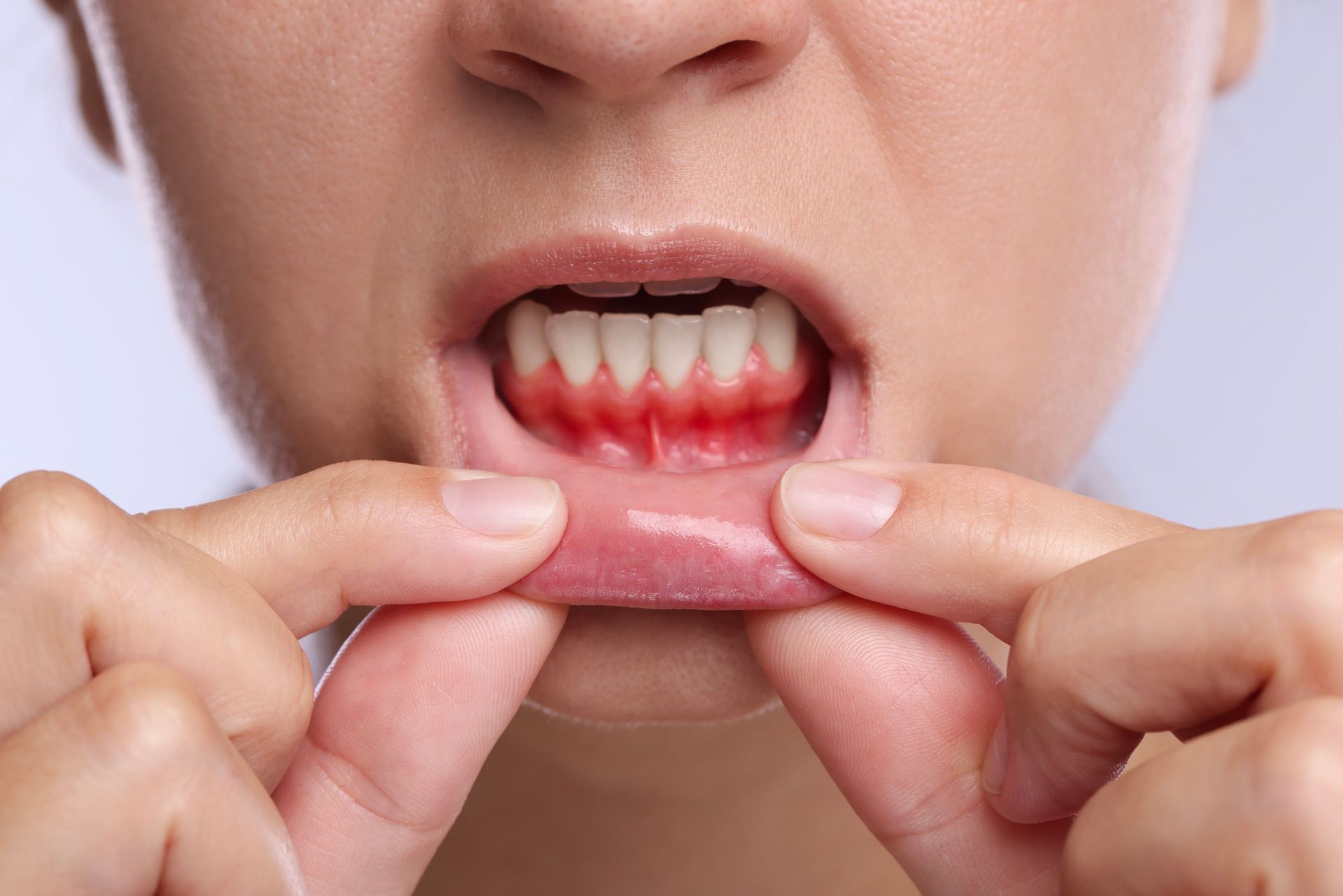
Gingivitis:
is the earliest stage. The gums may appear red, swollen, or prone to bleeding, but the supporting bone has not been damaged. With professional care and consistent home hygiene, gingivitis can often be reversed.
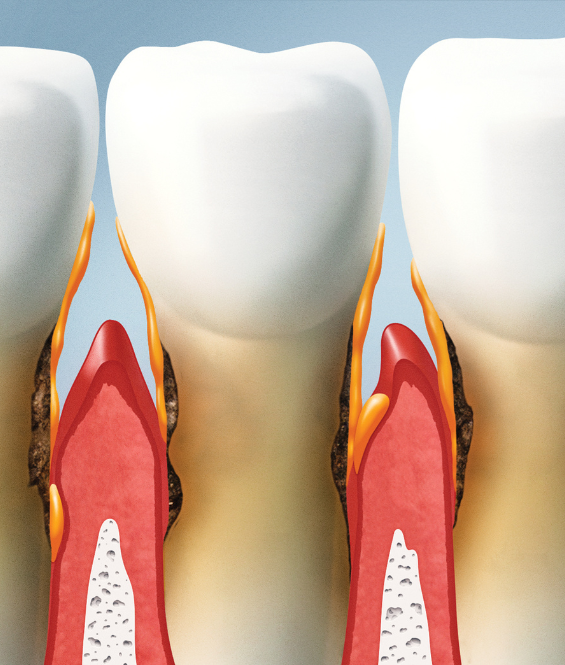
Periodontitis:
is a more advanced condition. Bacteria and inflammation extend beneath the gumline, creating spaces known as periodontal pockets. Over time, this process can damage the tissues and bone that support the teeth.

SIGNS OF GUM DISEASE
Small Changes Deserve Attention
Gum disease does not always cause pain, especially in its earlier stages. That is why routine evaluations are important.
Possible signs include:
Red, swollen, or tender gums
Persistent bad breath
Gum recession
Teeth that appear longer
Pus or swelling around the gums
Gums that bleed during brushing
Loose or shifting teeth
Discomfort when chewing
Increased tooth sensitivity
These symptoms can have more than one cause. A periodontal evaluation allows us to understand what is happening and recommend the appropriate next step.

Periodontal Evaluation
A Clear Picture of Your Gum Health
Your care begins with a careful assessment.
We will discuss your dental and health history, any symptoms you have noticed, and concerns that may affect your gums. Our team will then evaluate the condition of the tissues surrounding your teeth.
Once the evaluation is complete, we will explain our findings clearly and recommend a treatment plan based on the type and extent of the condition.
Your assessment may include:
Measuring the spaces between your teeth and gums
Checking for bleeding and inflammation
Evaluating areas of gum recession
Assessing tooth mobility
Reviewing plaque and hardened buildup
Examining your bite
Using digital imaging to evaluate supporting bone
Reviewing existing restorations and areas that may collect buildup
Scaling and Root Planing
A Deeper Level of Cleaning
When periodontal disease extends beneath the gumline, a standard preventive cleaning is no longer sufficient.
Scaling and root planing is a nonsurgical treatment used to remove plaque, hardened buildup, and bacterial deposits from beneath the gums and along the tooth roots.
Treatment generally involves two important steps:
removes buildup from above and below the gumline.
Scaling:
smooths and cleans the tooth-root surfaces to create a healthier environment for the surrounding gum tissue.
Root planing:
Local anesthetic may be used to keep you comfortable. Depending on the number of areas requiring treatment, care may be completed in more than one visit.
After treatment, we will allow time for your gums to respond before evaluating the results and determining the appropriate maintenance schedule.
Laser-Assisted Gum Treatment
Modern Technology Used With Intention
Laser technology may be incorporated into periodontal treatment when our doctors determine it is appropriate for your individual condition.
A dental laser can be used to treat selected areas of inflamed or unhealthy gum tissue with precision. Depending on the procedure, it may support treatment while limiting the impact on surrounding tissue.
Laser care is not the right solution for every patient and does not replace the need for a thorough diagnosis or careful removal of buildup beneath the gums.
Our doctors will explain whether laser-assisted treatment may be beneficial and how it fits within your complete periodontal plan.
Gingivectomy
Reshaping Excess or Unhealthy Gum Tissue
A gingivectomy removes or reshapes selected areas of gum tissue.
The procedure may be recommended to address gum tissue that has been affected by disease, improve access for cleaning, reduce areas where bacteria collect, or refine the shape of the gumline.
Before treatment, we will evaluate your gum health, explain why the procedure is being considered, and discuss what you can expect during recovery.
Every treatment is planned conservatively and with respect for both the health and appearance of your smile.
Gum Grafting
Protecting Areas Affected by Recession
Gum recession exposes part of the tooth root and may contribute to sensitivity, an uneven gumline, and increased vulnerability in the affected area.
Gum grafting is designed to add tissue where recession has occurred. Depending on your needs, treatment may help protect the tooth root, improve tissue stability, and create a more balanced gumline.
Not every case of recession requires grafting. Our doctors will evaluate the cause, extent, and location of the recession before recommending treatment.
Periodontal Maintenance
Protecting the Progress You Have Made
Periodontal disease requires continued attention after active treatment.
Periodontal maintenance is a specialized form of ongoing care designed for patients who have been treated for gum disease.
These visits focus on controlling buildup above and below the gumline, monitoring periodontal pockets, and identifying signs that the condition may be returning or progressing.
The timing of your maintenance visits will be based on the severity of your condition, response to treatment, and individual risk factors.
Your visit may include:
Evaluation of your gum health
Periodontal measurements when appropriate
Removal of plaque and hardened buildup
Cleaning below the gumline
Review of areas requiring additional attention
Personalized home-care guidance
Monitoring of supporting bone and tooth stability
YOUR COMFORT
Periodontal Care Without Judgment
Many patients feel self-conscious about bleeding gums, buildup, bad breath, or the amount of time that has passed since their last dental visit.
You never need to feel embarrassed in our office.
Gum disease is a health condition—not a personal failure. Our role is to understand where you are today and help you move forward with clarity and support.
We will explain each stage of treatment, answer your questions, and take steps to help you remain comfortable throughout your care.
PREVENTIVE CLEANING VS. PERIODONTAL MAINTENANCE
Understanding the Difference
A preventive cleaning and periodontal maintenance are designed for different oral-health needs..
Preventive Cleaning
A preventive cleaning is generally appropriate for patients whose gums are healthy and who do not have active periodontal disease or a history of periodontal treatment.
Periodontal Maintenance
Periodontal maintenance is intended for patients who have been treated for gum disease and require continued care above and below the gumline.
Recommending the correct type of visit is not about providing “more” or “less” of the same cleaning. It is about matching your care to the current condition of your gums and protecting your long-term health.
Supporting Your Results at Home
Daily Care Is an Important Part of Treatment
Professional treatment and consistent home care work together to support periodontal health.
Your recommendations may include:
- Brushing twice a day with a soft-bristled or electric toothbrush
- Cleaning between your teeth every day
- Using floss, interdental brushes, or a water flosser
- Paying additional attention to areas that collect buildup
- Using recommended oral-care products
- Avoiding tobacco
- Attending periodontal maintenance visits as recommended
Our team will help you choose techniques and products that are appropriate for your needs and realistic for your daily routine.
Frequently Asked Questions
Does gum disease always cause pain?
No. Gum disease can progress without significant pain, especially in its earlier stages. Bleeding, inflammation, recession, persistent bad breath, or changes in tooth stability may be warning signs.
Can gum disease be cured?
Gingivitis can often be reversed with professional care and improved home hygiene. Periodontitis is generally managed rather than considered cured. Treatment and ongoing maintenance can help control the condition and protect the remaining support around your teeth.
Is scaling and root planing the same as a regular cleaning?
No. A regular cleaning focuses primarily on preventive care for healthy gums. Scaling and root planing treats periodontal disease by cleaning beneath the gumline and along the tooth roots.
Will scaling and root planing hurt?
Local anesthetic may be used to keep you comfortable during treatment. Some temporary tenderness or sensitivity can occur afterward. We will explain what to expect and provide personalized aftercare instructions.
Will I need gum surgery?
Not everyone with periodontal disease requires surgery. Nonsurgical treatment is often the first step. If the condition does not respond adequately or a specific concern requires additional care, we will discuss the appropriate options with you.
How often will I need periodontal maintenance?
The appropriate interval depends on your condition, treatment response, and individual risk factors. Our team will recommend a schedule based on your needs.
Give Your Gums the Care They Deserve
If you have noticed bleeding, recession, persistent bad breath, or another change in your gums, we are here to help you understand what it means and what to do next.