Dental Crowns & Bridges
Restore Strength Without Compromising Beauty
Dental crowns and bridges rebuild damaged or missing teeth with careful attention to comfort, function, and a natural appearance.
At Mandarin Dentistry, advanced digital technology and thoughtful material selection allow us to create restorations designed to feel like a seamless part of your smile.
Restorative Dentistry Designed for the Complete Smile
Teeth are exposed to years of chewing, temperature changes, daily habits, and natural wear. Over time, they may become weakened by decay, fractures, older dental work, or missing teeth.
Crowns and bridges are fixed restorations designed to rebuild the smile.
Dental Crown
A dental crown covers and protects a compromised tooth, restoring its shape, strength, and function.
Dental Bridge
A dental bridge replaces one or more missing teeth by securing a custom restoration to neighboring teeth or dental implants.
Although they serve different purposes, both treatments require careful planning to ensure the restoration looks natural, feels comfortable, and works properly with your bite.
Dental Crowns
Complete Protection for a Compromised Tooth
A crown surrounds the visible portion of a tooth and acts as a protective outer structure.
It may be recommended when a tooth no longer has enough healthy structure to support a filling or another more conservative restoration.
A crown may be used to:
- Protect a tooth weakened by extensive decay
- Restore a cracked or fractured tooth
- Rebuild a severely worn tooth
- Replace a large or failing filling
- Protect certain teeth after root canal therapy
- Improve the appearance of a misshapen or significantly discolored tooth
- Restore the visible portion of a dental implant
- Support a fixed dental bridge
- Reestablish function as part of comprehensive treatment
Our doctors will first determine whether a crown is truly necessary or whether a more conservative option can provide appropriate support.
Dental Bridges
Filling the Space Left by Missing Teeth
A dental bridge replaces one or more missing teeth with a fixed restoration that remains in place.
A traditional bridge generally includes an artificial replacement tooth supported by crowns placed on the natural teeth beside the open space. Other bridge designs may be supported by dental implants.
Replacing a missing tooth may help:
- Restore your ability to chew comfortably
- Improve the appearance of your smile
- Support clearer speech
- Maintain appropriate spacing
- Distribute biting forces more evenly
- Prevent neighboring teeth from shifting toward the open space
- Restore confidence in social and professional settings
The right solution depends on the location of the missing tooth, the health of the neighboring teeth, your bite, available bone, and your long-term goals.
Our Approach
Every Restoration Begins With the Right Diagnosis
A crown or bridge should never be recommended simply because a tooth has received extensive dental work in the past.
This complete evaluation helps us determine whether a crown or bridge is appropriate and how the restoration should be designed.
Before treatment, our doctors carefully evaluate:
The amount of healthy tooth structure remaining
The location and extent of decay or damage
The health of the tooth nerve
The condition of the gums and supporting bone
Existing fillings or crowns
Your bite and chewing patterns
Our intraoral scanner creates a detailed three-dimensional model of your teeth and bite.
The scanning process is comfortable and eliminates the need for trays filled with traditional impression material in many cases.
Digital records help us evaluate:
Digital Scanning
Precise Records Without Traditional Impressions
The exact shape of the prepared tooth
Restoration margins
How the upper and lower teeth come together
The relationship with neighboring teeth
Tooth shape and proportion
The planned contours of the final crown or bridge
These details support a restoration designed for an accurate fit, natural contact, and comfortable bite.
In-House Milling
Greater Control Over the Details
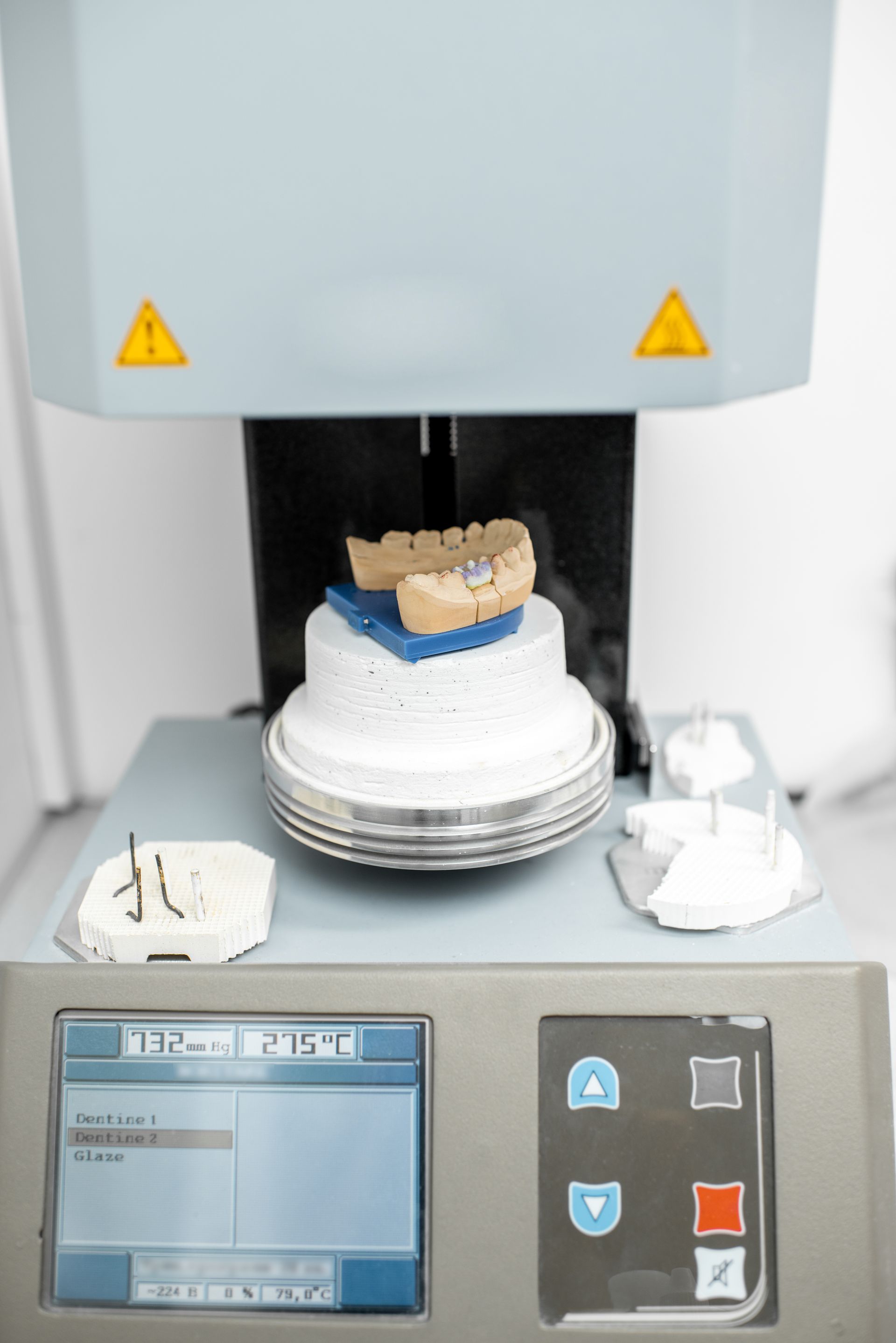
Mandarin Dentistry uses in-house milling technology to create select dental restorations within our practice.
After the tooth is prepared and digitally scanned, the restoration can be designed with close attention to fit, shape, function, and appearance. It is then precisely milled from a high-quality dental material.
Keeping more of the process in-house may allow us to:
Complete select crowns more efficiently
Reduce the need for traditional impressions
Maintain greater control over design details
Minimize time spent wearing a temporary crown
Make selected adjustments within the practice
Streamline the overall treatment experience
Not every crown or bridge is best completed through an in-house workflow. Your doctor will recommend the fabrication process and material that best support your individual case.
Same-Day Crowns
A More Efficient Restorative Experience
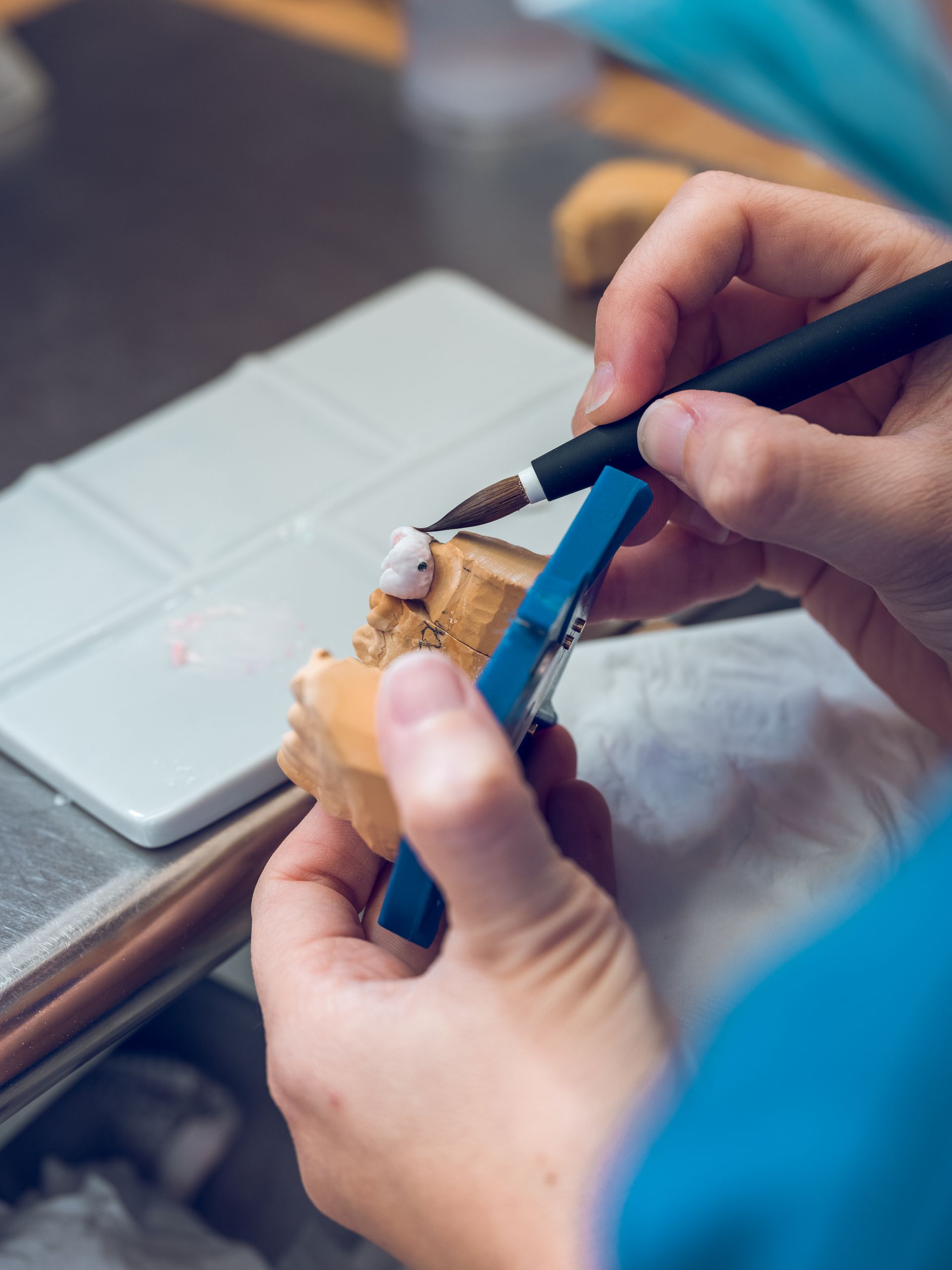
For qualifying cases, digital scanning and in-house milling may allow a crown to be prepared, designed, created, and placed during one appointment.
This approach can reduce the need for a temporary crown and a separate delivery visit.
However, same-day treatment is not appropriate for every tooth. More complex cases, selected materials, bridges, and highly customized aesthetic restorations may require a different process.
A same-day crown visit may include:
- Preparing the tooth
- Capturing a digital scan
- Designing the restoration
- Milling the crown
- Evaluating its fit, shape, and color
- Making any necessary adjustments
- Bonding or cementing the final restoration
The Traditional Crown Process
Carefully Coordinated From Preparation to Placement
When a crown cannot be completed in one visit, treatment generally takes place over multiple appointments.
First Appointment
The tooth is prepared, and a digital scan or impression is taken. A temporary crown is created to protect the tooth while the final restoration is completed.
Final Appointment
The temporary crown is removed, and the final restoration is evaluated for fit, shape, color, and bite.
Once the details are approved, the crown is securely bonded or cemented in place.
The temporary stage is an important part of treatment. Contact us if your temporary crown becomes loose, breaks, or feels uncomfortable.
The Bridge Process
Replacing a Tooth With a Fixed Restoration
The traditional bridge process generally involves preparing the teeth beside the open space so they can support the restoration.
Because a traditional bridge relies on neighboring teeth for support, their health and structure are important considerations
.
If the neighboring teeth are healthy and untouched, a dental implant may offer an alternative that does not require them to be prepared.
Your treatment may include:
- Evaluating the supporting teeth and gums
- Preparing the neighboring teeth
- Capturing a digital scan or impression
- Designing the replacement tooth and supporting crowns
- Placing a temporary bridge when appropriate
- Creating the final restoration
- Evaluating fit, appearance, and bite
- Bonding or cementing the bridge in place
Dental crowns and bridges can be made from several materials. Each offers different characteristics related to strength, appearance, thickness, and performance.
Options may include:
Choosing the Right Material
Strength and Beauty in Balance
Zirconia
Glass ceramic
Porcelain
Metal alloys
The right material depends on:
The amount of pressure placed on it
The length of the bridge
Available space
The color of the underlying tooth
Aesthetic expectations
Your bite
Our doctors will explain why a particular material is being recommended for your treatment.
Natural-Looking Results
Restorations That Belong in Your Smile
A crown or bridge should restore function without drawing unnecessary attention to itself.
When designing a tooth-colored restoration, we consider:
- The shape and proportion of surrounding teeth
- Natural shade variations
- Translucency
- Surface texture
- The contours near the gums
- The amount of tooth visible when you smile
- The way light interacts with the material
- The relationship between appearance and bite
The goal is not to create a tooth that looks artificially perfect. It is to create a restoration that feels harmonious within your natural smile.
Crowns After Root Canal Therapy
Protecting a Tooth From Further Damage
Root canal therapy removes inflamed or infected tissue from inside a tooth. After treatment, the tooth requires an appropriate final restoration.
Some root-canal-treated teeth—particularly back teeth exposed to significant chewing pressure—may benefit from the protection of a crown.
Not every tooth requires the same restoration. The recommendation depends on the tooth’s location, the amount of structure remaining, and the forces placed on it.
If root canal therapy is part of your care, we will explain how the tooth should be restored and why.
Bridges vs. Dental Implants
Understanding Your Tooth-Replacement Options
A traditional bridge and a dental implant can both replace a missing tooth, but they use different forms of support.
Dental Bridge
A traditional bridge is supported by teeth beside the open space. It may be appropriate when those teeth already require crowns or when implant treatment is not preferred or recommended.
Dental Implant
An implant is placed within the jawbone and supports an individual crown without relying on neighboring natural teeth. Implant treatment generally requires surgery and sufficient healing time.
The right option depends on:
The health of neighboring teeth
Available bone
Maintenance preferences
Medical and dental history
Gum health
Financial considerations
We will explain the benefits and limitations of each approach so you can make an informed decision.
Caring for Crowns
Protecting the Tooth Beneath the Restoration
A crown cannot develop decay, but the natural tooth beneath it remains vulnerable—especially near the edge where the crown meets the tooth.
To care for a crown:
- Brush twice a day with fluoride toothpaste.
- Clean between your teeth daily.
- Avoid chewing ice and other very hard objects.
- Do not use your teeth to open packages.
- Wear a nightguard if recommended.
- Attend regular dental examinations and cleanings.
- Contact us if the crown feels loose or different.
Consistent care helps protect both the restoration and the supporting tooth.
Caring for Bridges
Daily Cleaning Beneath the Replacement Tooth
A bridge requires special attention beneath the artificial tooth and around the supporting crowns.
Food and plaque can collect in areas that a standard toothbrush cannot fully reach.
Our team may recommend:
- Floss threaders
- Specialized bridge floss
- Interdental brushes
- A water flosser
- Other tools selected for your restoration
Your hygienist will show you how to clean beneath the bridge and help you choose a method that fits your routine.
Healthy supporting teeth and gums are essential to the long-term success of a bridge.
When a Crown or Bridge Needs Attention
Do Not Ignore Small Changes
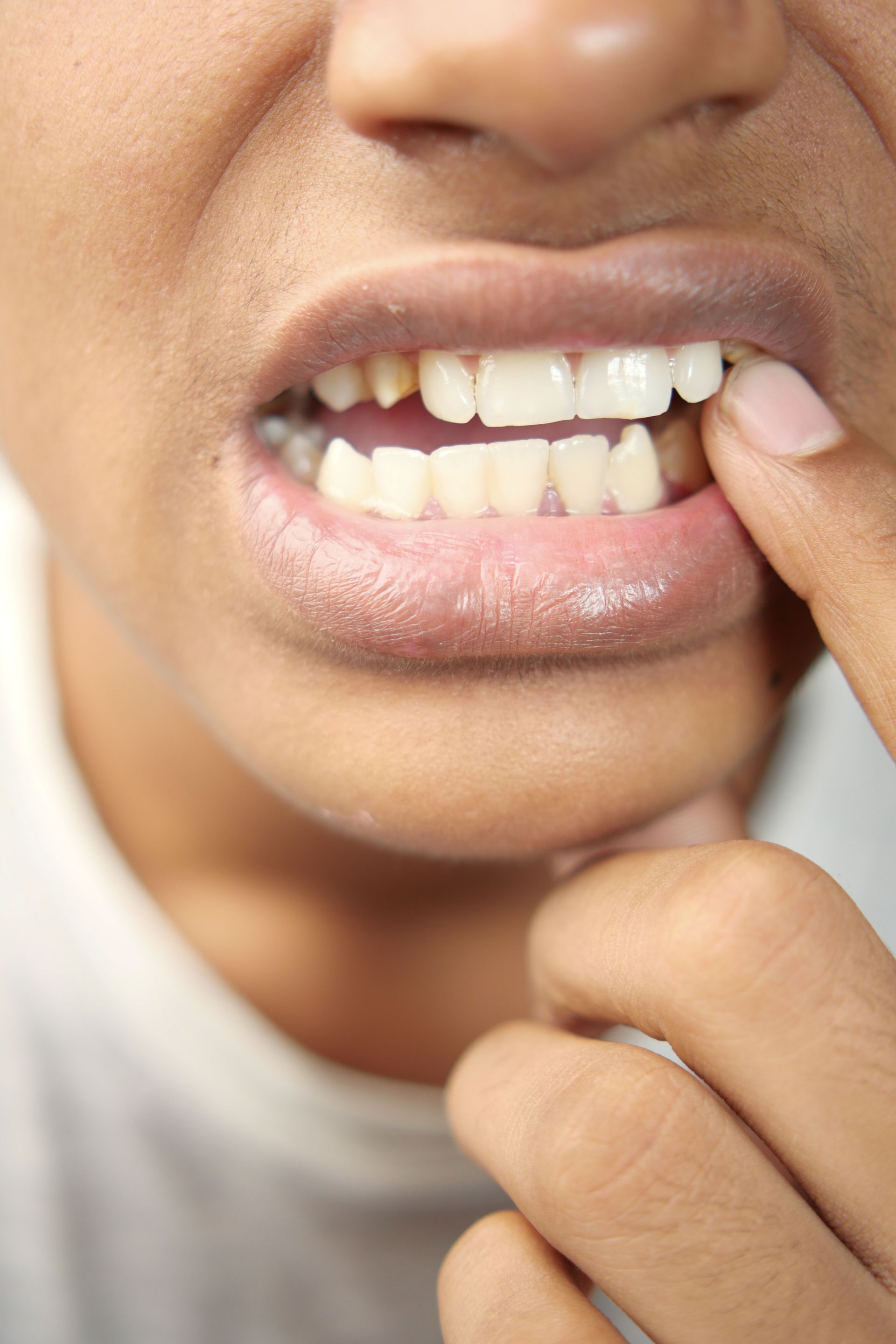
Contact our office if you notice:
A loose crown or bridge
Pain when biting
A rough or sharp edge
New or worsening sensitivity
Bleeding near the gumline
Part of the restoration coming off
Not every concern requires complete replacement. In some cases, a restoration may be adjusted, repaired, or recemented.
An evaluation allows us to determine the source of the problem and recommend the appropriate solution.

Clear Information Before Care Begins
The cost of a crown or bridge depends on:
- The type of restoration
- The number of teeth involved
- The material selected
- The complexity of treatment
- Whether additional care is needed
- The fabrication process
Before treatment, we will provide a detailed plan and clear financial information.
If you have dental insurance, our team can check whether benefits may be available. Verification does not guarantee coverage or payment.
Financing may be available through CareCredit and Proceed Finance for qualified patients.
Frequently Asked Questions
What is the difference between a crown and a bridge?
A crown covers and protects an individual tooth or restores a dental implant. A bridge replaces one or more missing teeth and is supported by neighboring teeth or implants.
Does getting a crown hurt?
The area is typically numbed during tooth preparation. Some temporary sensitivity or gum tenderness may occur afterward. Contact us if discomfort is significant or does not improve.
Can a crown develop a cavity?
The crown itself cannot decay, but the natural tooth beneath and around its edges can. Brushing, cleaning between the teeth, and regular dental visits remain important.
How do I know if I need a crown instead of a filling?
A crown may be recommended when there is not enough healthy tooth structure to predictably support a filling. The decision depends on the extent and location of the damage, the condition of the remaining tooth, and your bite.
How long do crowns and bridges last?
Longevity varies according to the material, location, bite, home care, condition of the supporting teeth, and habits such as grinding or clenching. No restoration lasts forever.
Will my crown look natural?
Tooth-colored crowns can be designed to complement the shape, shade, and character of the surrounding teeth. Material selection and aesthetic possibilities vary by case.
Restore Your Smile With Confidence
If you have a damaged tooth or are considering options for replacing a missing tooth, we are here to help you understand the possibilities.