Dental Implants
Rebuild Your Smile With Lasting Confidence
Dental implants offer a stable, natural-looking way to replace missing teeth and restore the freedom to smile, speak, and eat with greater confidence.
At Mandarin Dentistry, every implant begins with detailed planning and a treatment approach shaped around your health, anatomy, and long-term goals.
What Guides Our Care
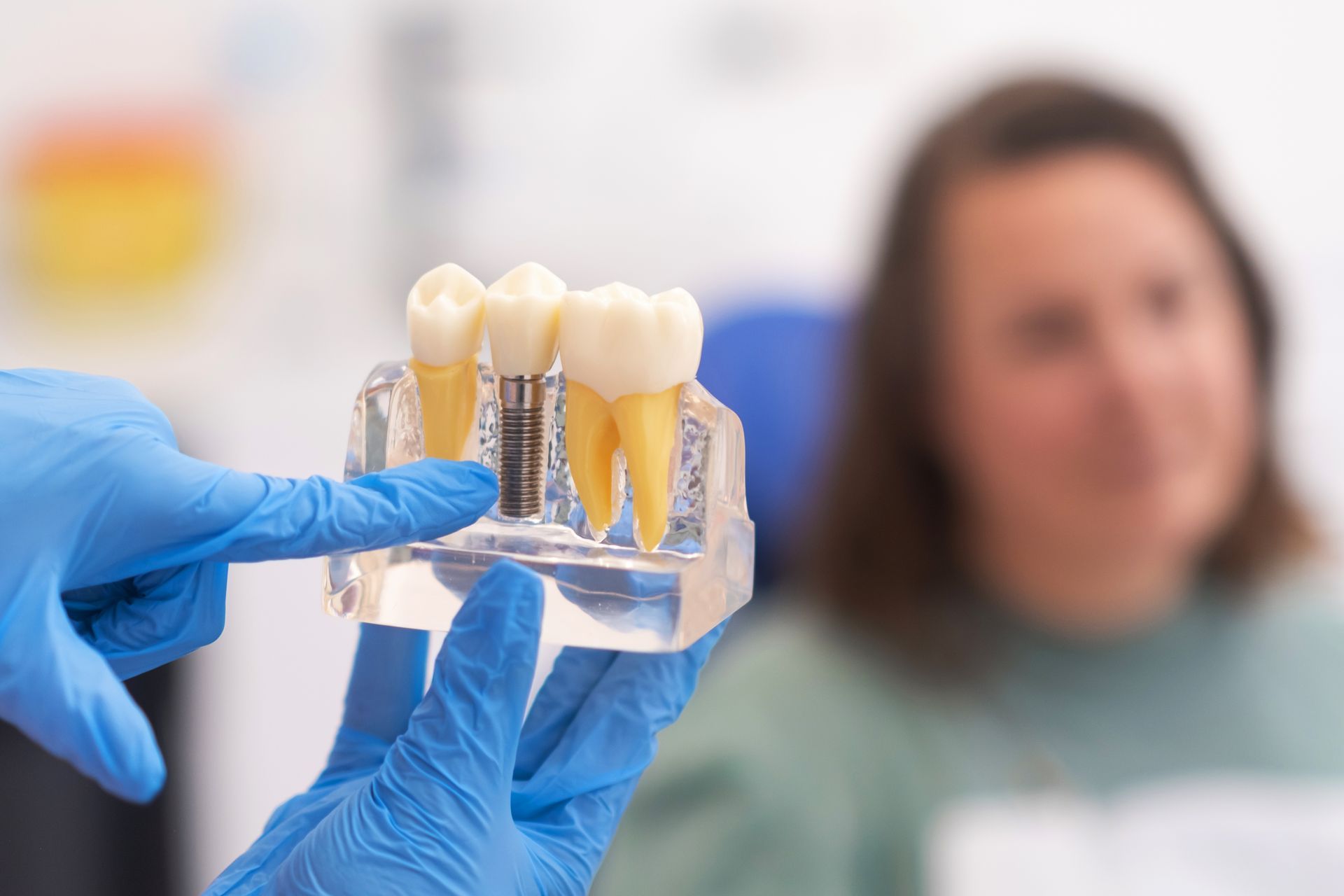
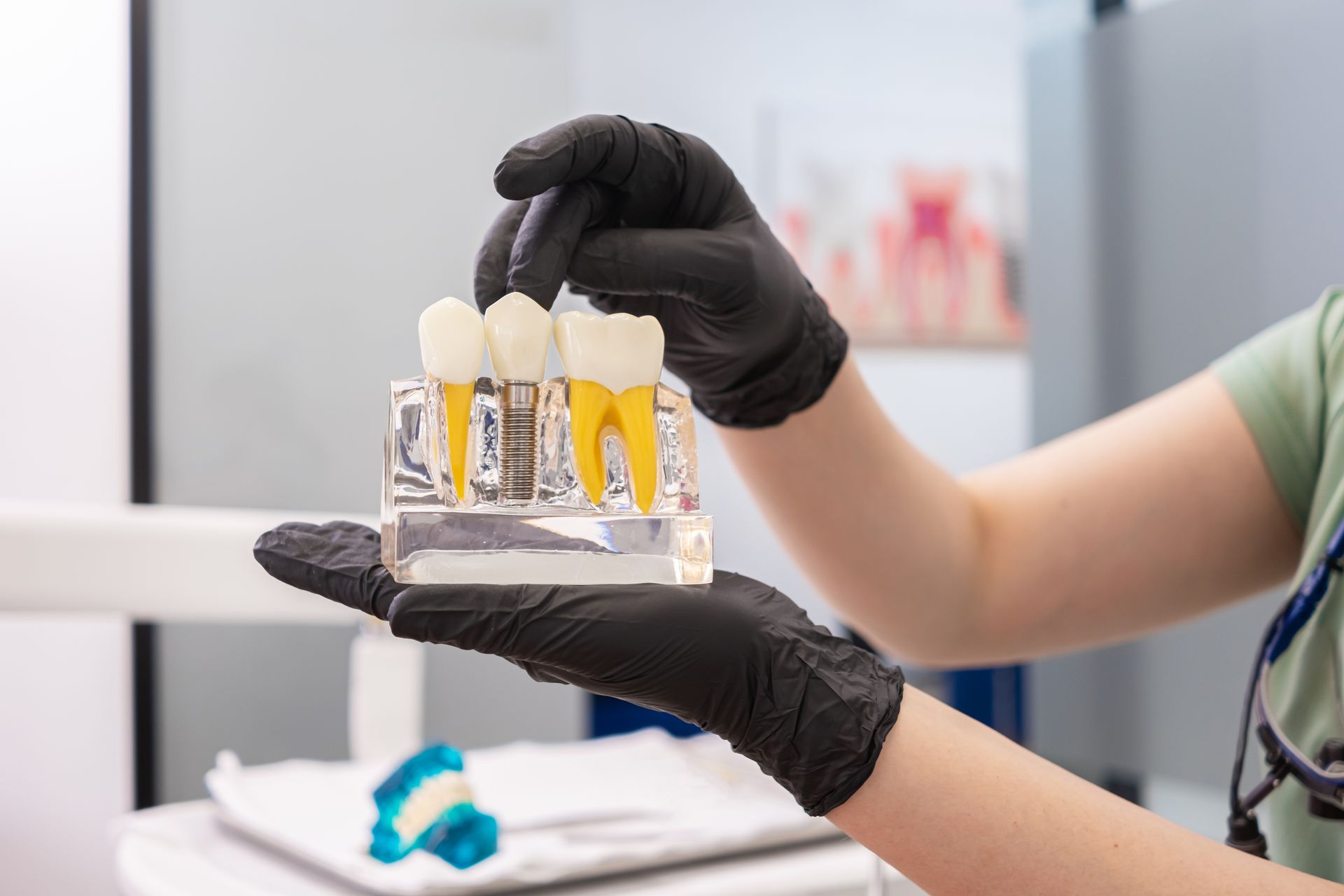
A natural tooth includes both the crown you see and the root that supports it beneath the gums.
A dental implant replaces the root portion of a missing tooth. Once it has integrated with the surrounding bone, the implant can support a custom crown, bridge, or denture.
Implant treatment generally includes three components:
The implant
A small post placed within the jawbone to create a stable foundation.
The abutment
A connector that joins the implant to the visible restoration.
The restoration
A personalized crown, bridge, or denture designed to restore appearance and function.
Together, these components create a tooth-replacement solution designed to feel secure and blend naturally with your smile.
A missing tooth can affect more than appearance.
Depending on its location, tooth loss may influence:
Restoring Balance to Your Smile
Your ability to chew comfortably
The distribution of pressure when you bite
The way your upper and lower teeth come together
The stability of neighboring teeth
The condition of the jawbone in the area
Your confidence when smiling or speaking
Replacing the tooth can help restore function while protecting the balance of the surrounding smile.
The right solution depends on your health, anatomy, preferences, and the number of teeth being replaced.
The Benefits of Dental Implants
Stability Designed for Everyday Life
Dental implants offer several potential benefits.
Independent Tooth Replacement
A single implant can replace a missing tooth without requiring neighboring healthy teeth to be prepared for a traditional bridge.

Natural-Looking Results
An implant restoration can be designed to complement the shape, shade, and proportions of your surrounding teeth.

Greater Stability
Implants can provide a secure foundation for crowns, bridges, and selected dentures.

Support for the Jawbone
Because the implant is placed within the bone, it can help maintain stimulation in the area where the natural tooth root is missing.
Implant Treatment Options
Personalized Solutions for One Tooth or an Entire Smile
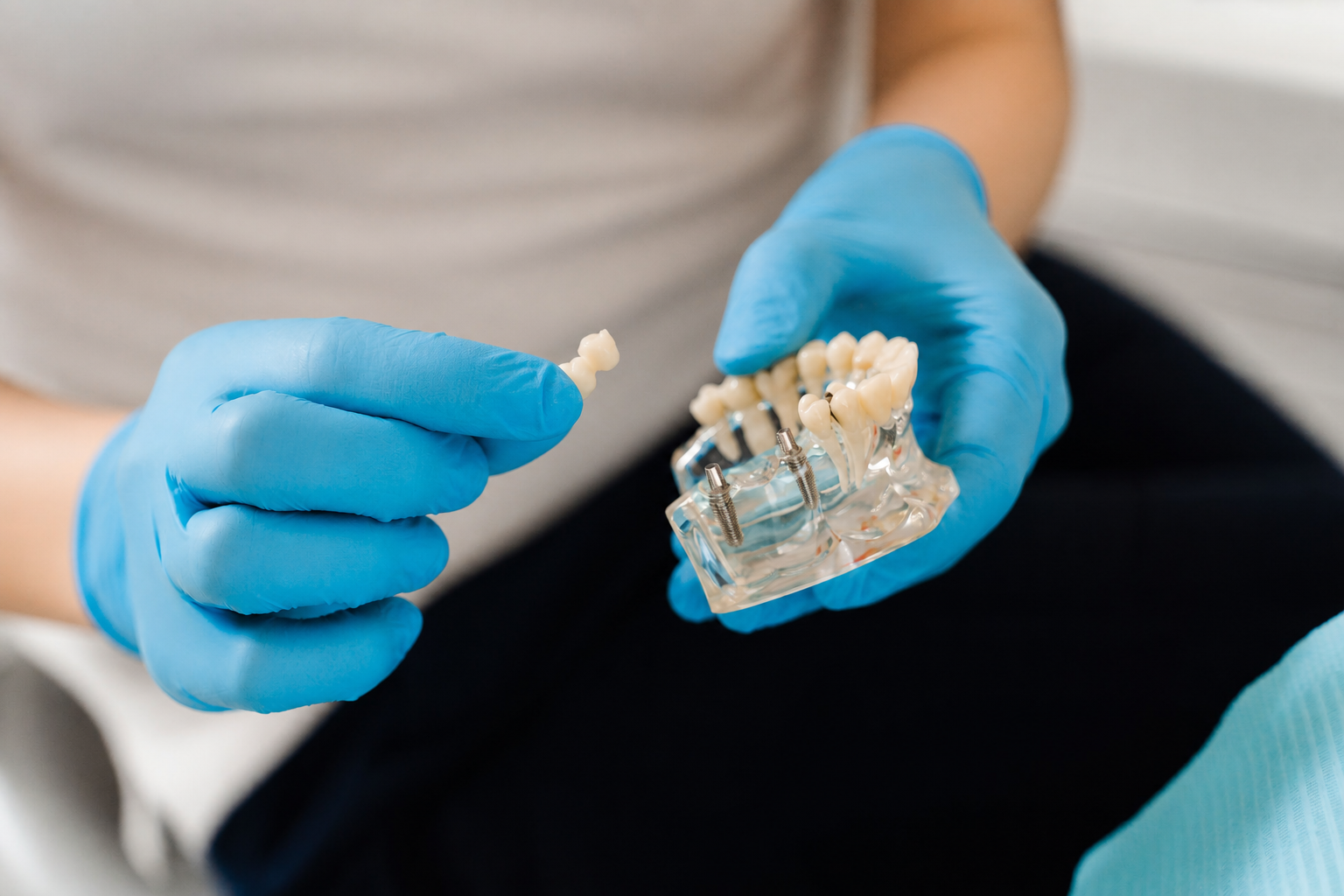
Dental implants can support several types of restorations.
Single-Tooth Dental Implant
One implant supports an individual crown, replacing a missing tooth without relying on neighboring teeth.
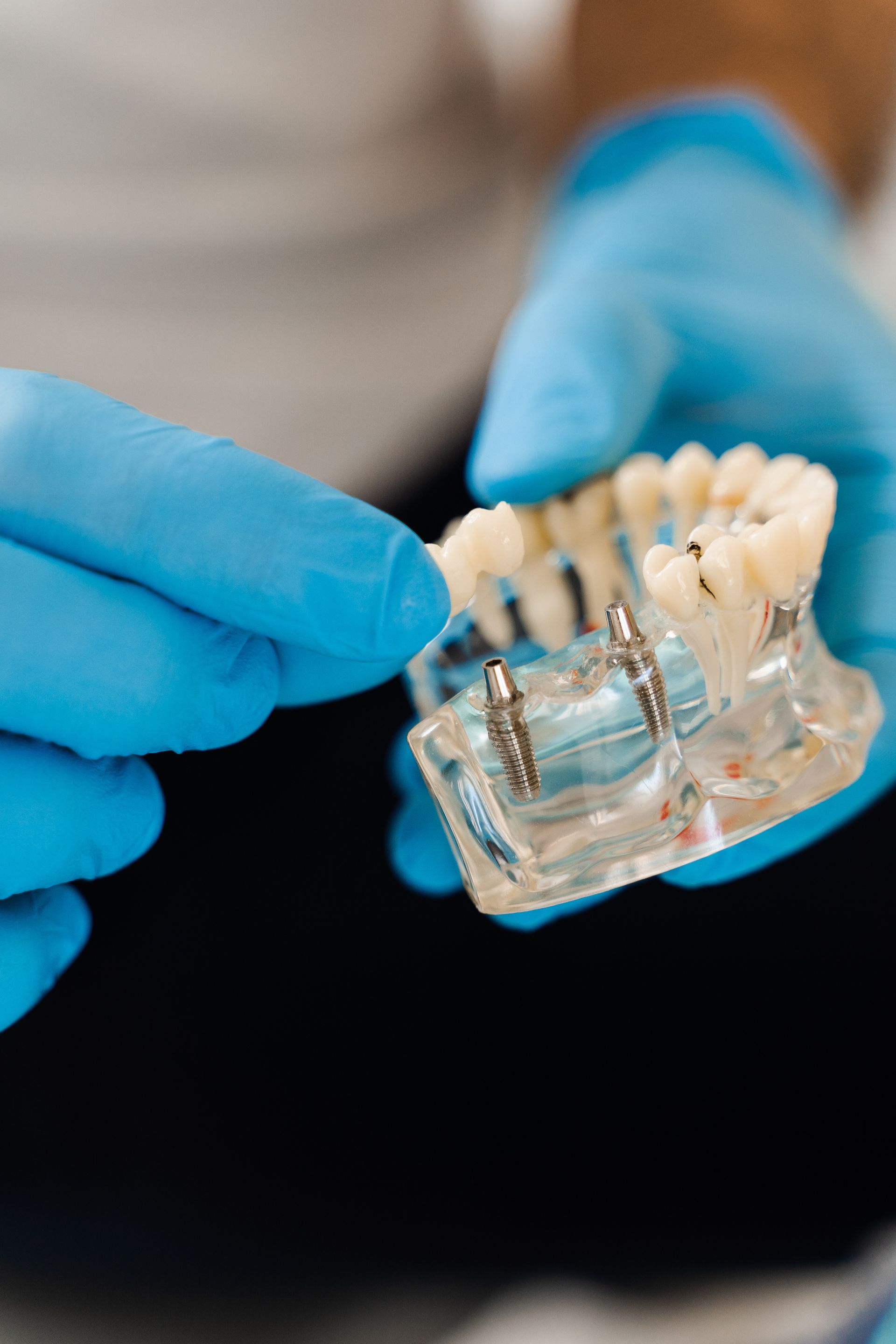
Implant-Supported Bridge
Two or more implants may support a bridge that replaces several missing teeth in a row.
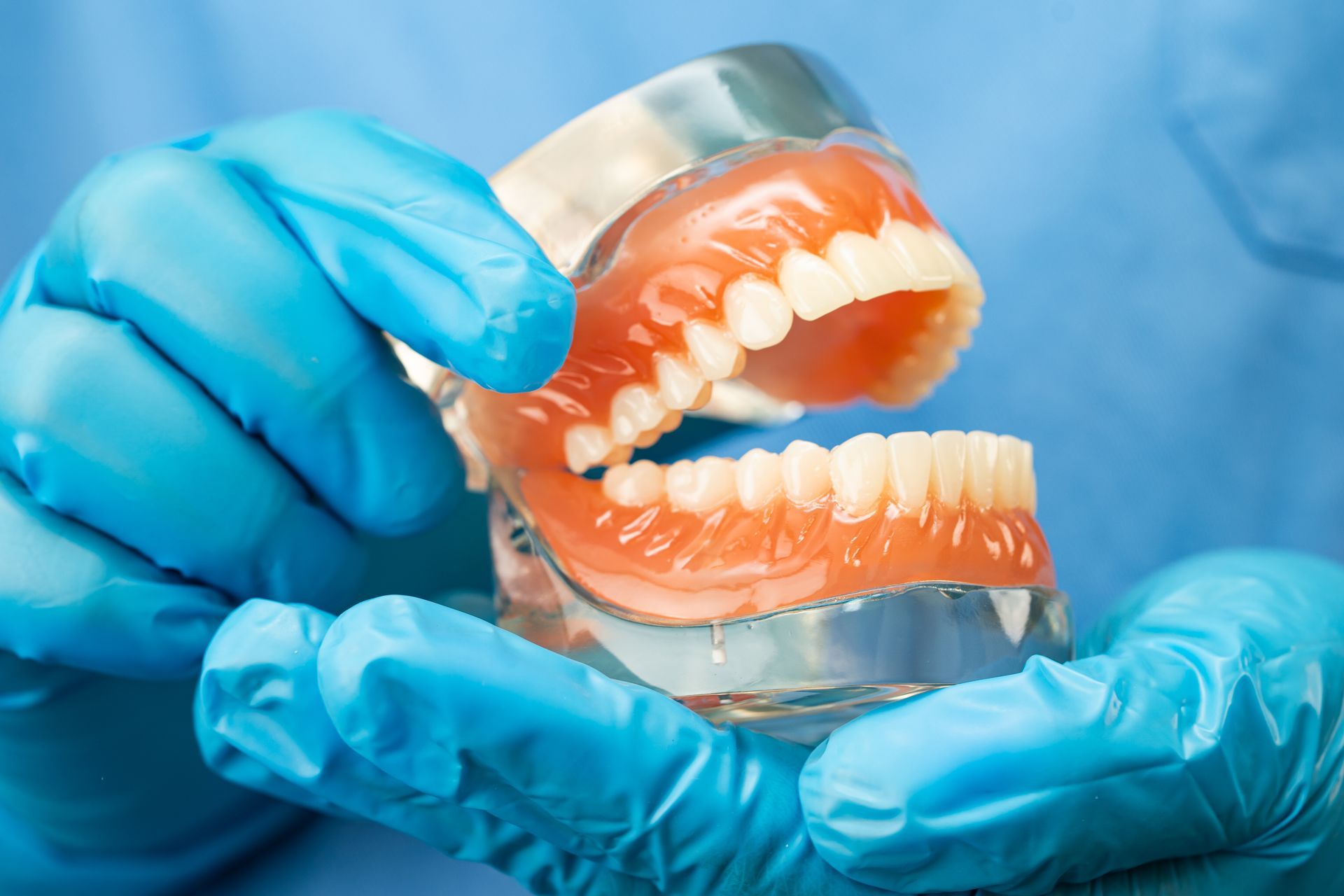
Implant-Supported Denture
Implants can provide additional stability for a removable denture, helping reduce movement during everyday activities.
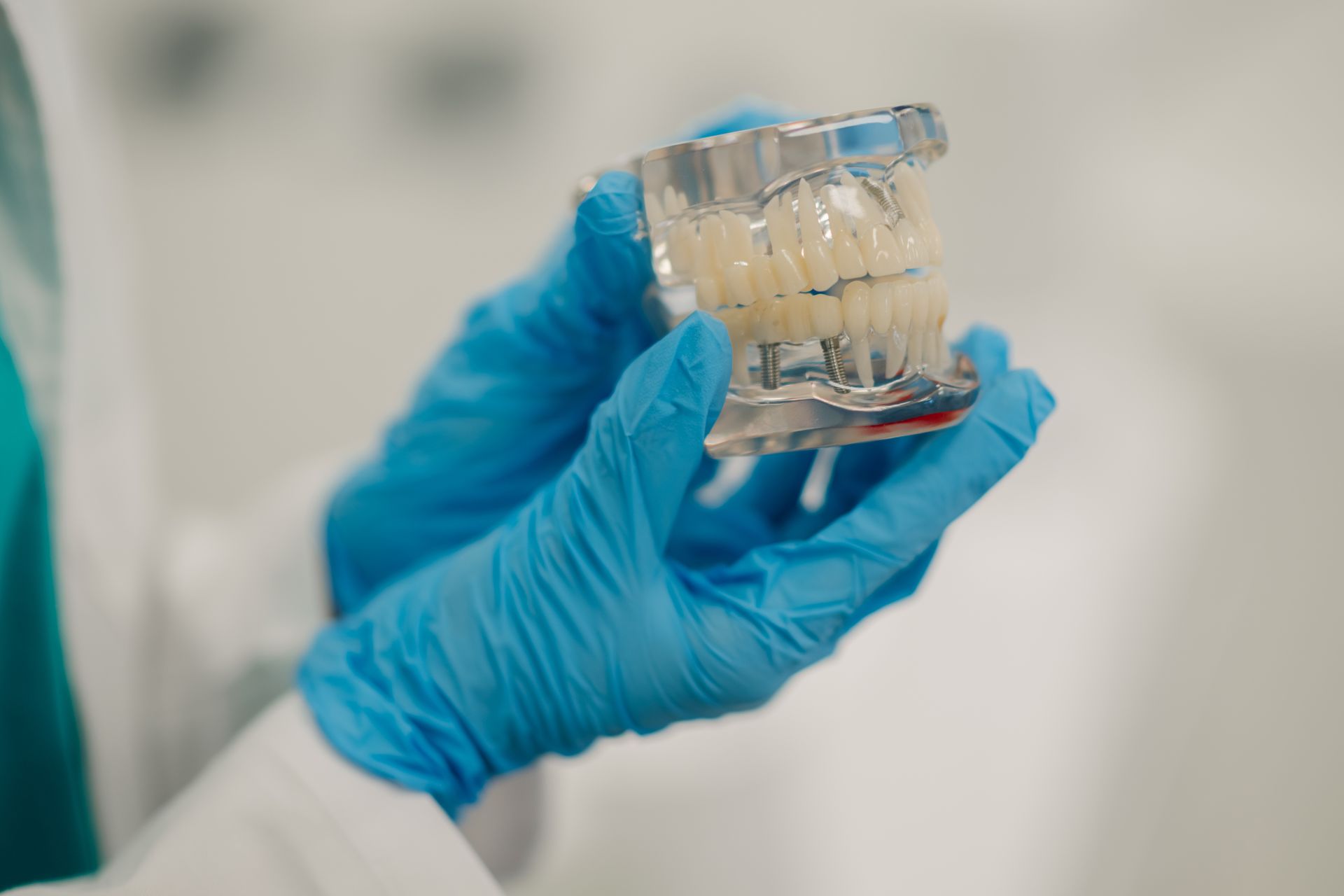
Full-Arch Fixed Restoration
A carefully planned group of implants can support a fixed restoration that replaces an entire upper or lower arch of teeth.
Your doctor will explain which options are appropriate based on the number and location of missing teeth, available bone, oral health, and desired experience.
Your Implant Consultation
Clarity Before Commitment
Implant treatment is a significant decision. Your consultation should give you the information needed to understand your options without pressure.
During your visit, we will discuss:
- Which teeth are missing or cannot be restored
- How tooth loss affects your daily life
- Your health and dental history
- Previous dental experiences
- Your goals for comfort, function, and appearance
- Your preferred timeline
- Alternative treatment options
- Financial considerations
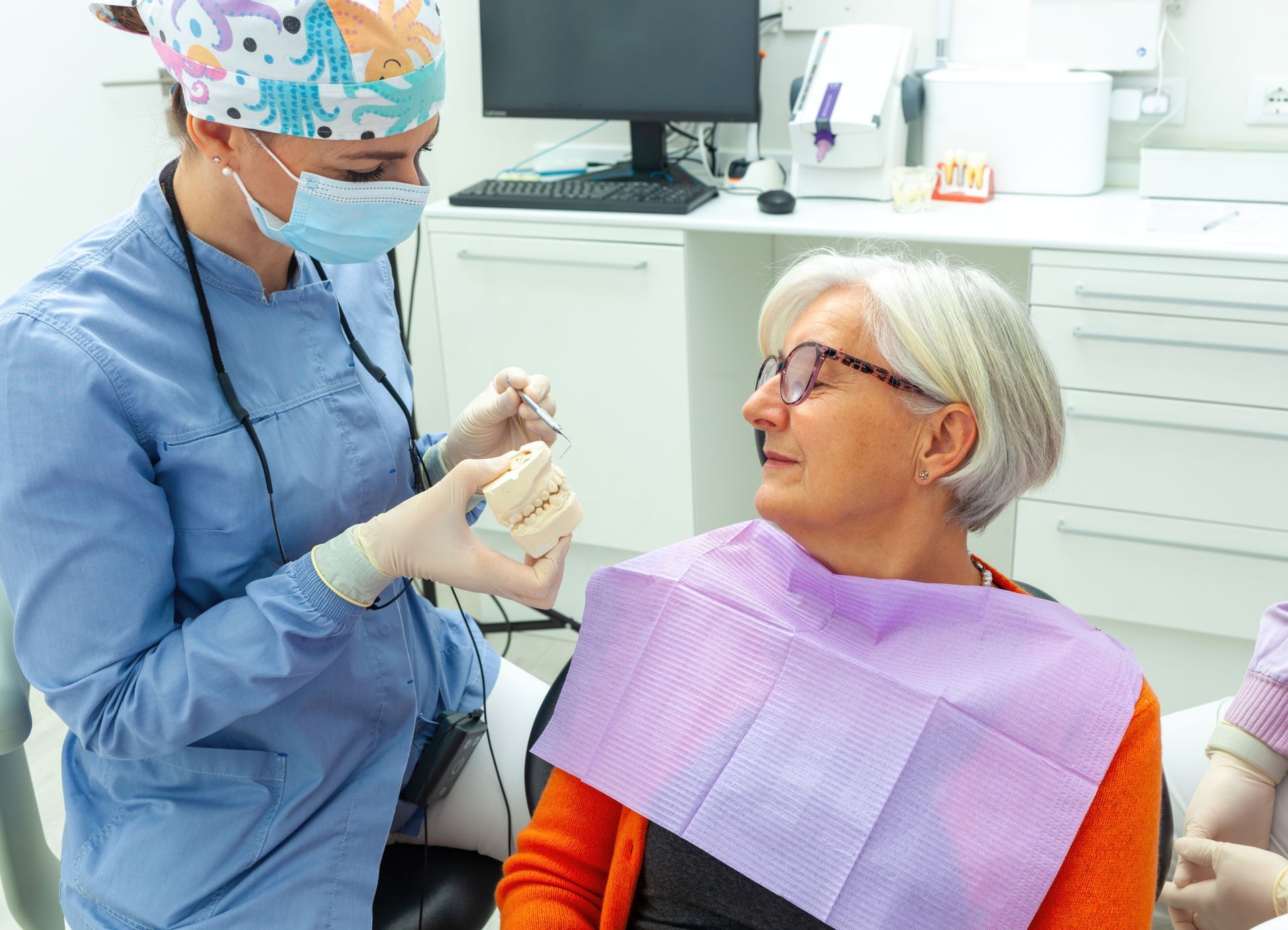
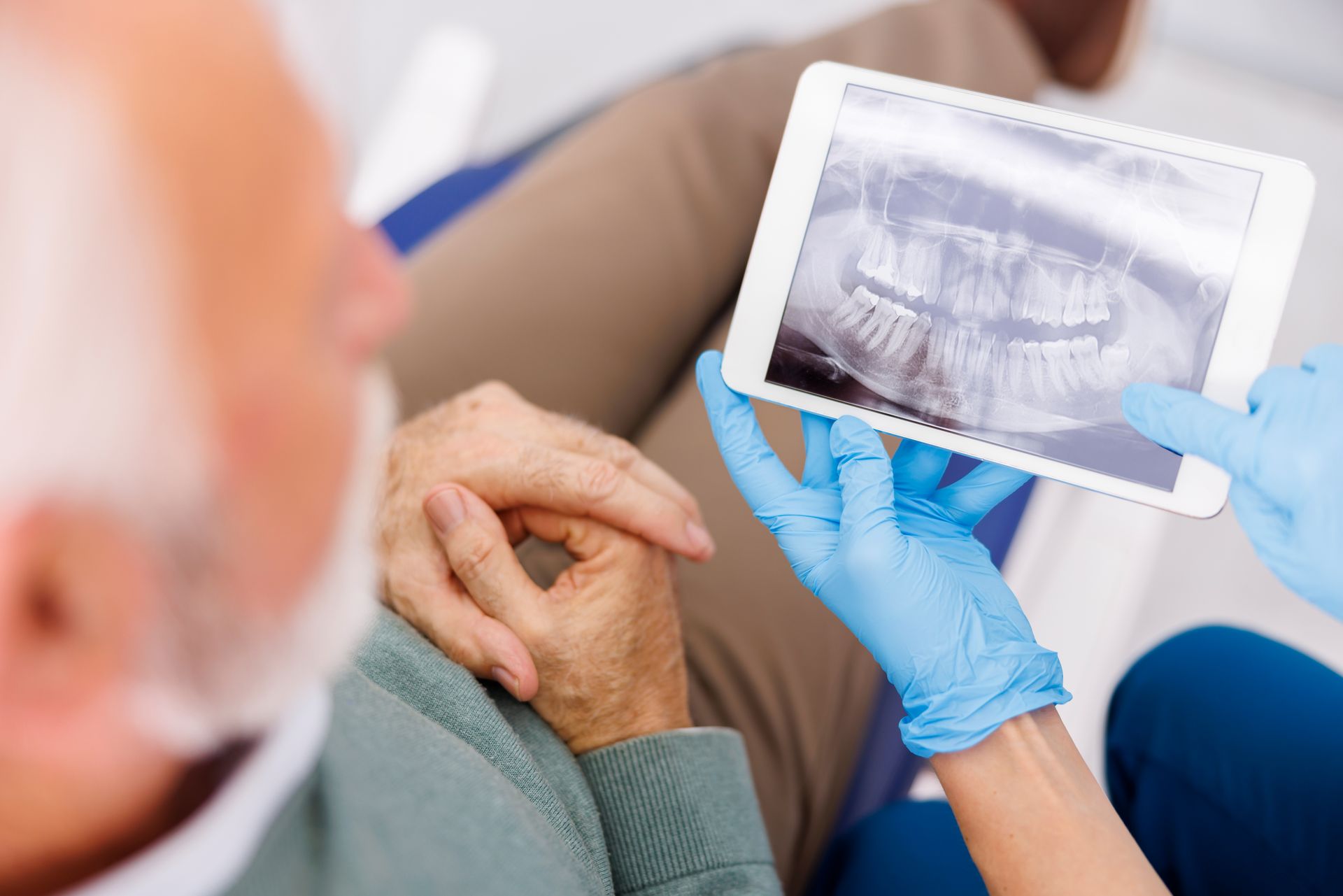
Your evaluation may include:
- A comprehensive dental examination: We assess your teeth, gums, bite, and overall oral health.
- CBCT 3D imaging: Detailed imaging helps us study the available bone and nearby anatomical structures.
- Digital intraoral scanning: A scan creates a three-dimensional model of your teeth and bite.
- Restoration-focused planning: We consider the intended final tooth or prosthesis before determining implant position.
- A personalized treatment plan:
You receive a proposed sequence, timeline, financial information, and explanation of alternatives.
Digital Implant Planning
Precision From the Very Beginning
The final restoration should guide the implant plan—not be treated as an afterthought.
When appropriate, this information can be used to create a digitally designed surgical guide that helps translate the plan during implant placement.
Technology gives us detailed information. Your doctor’s experience and understanding of your needs determine how that information is used.
Using 3D imaging and digital scans, our doctors precisely plan implant placement based on:
Available bone
Neighboring teeth
Tooth roots
Nerves and other important structures
Your bite
The intended position of the final restoration
Aesthetic considerations
Cleaning and long-term maintenance
Guided Implant Surgery
Translating a Digital Plan With Precision
Guided implant surgery uses a custom guide created from digital scans and three-dimensional imaging.
The guide is designed to help your doctor follow the planned implant position, angle, and depth during treatment.
Guided surgery may be beneficial in selected cases, but it is not required or appropriate for every patient. Anatomy, access, bone quality, and the specific treatment plan all influence the recommended approach.
Your doctor will explain whether a surgical guide is part of your plan and why.

Are You a Candidate?
Health Matters More Than a Number
Many adults with missing teeth may be candidates for dental implants. Age alone does not determine whether treatment is appropriate.
Important considerations include:
Your overall health
Your ability to heal
Certain medications
Tobacco or nicotine use
A history of gum disease
Grinding or clenching
Previous radiation treatment
Your expectations and goals
The condition of your gums
Some health conditions do not automatically rule out implant treatment, but they may require additional planning or coordination with a physician.
A complete evaluation is the only way to determine whether implants are appropriate for you.

Bone Grafting
Creating a Stronger Foundation When Needed
After a tooth is lost, the surrounding bone can change in shape and volume.
If there is not enough bone to support an implant in the desired position, bone grafting may be recommended.
Not every implant patient requires a bone graft.
If grafting is recommended, we will explain why it is needed, how it affects the treatment sequence, and what to expect during healing.
A graft may rebuild or preserve bone and can be completed:
When a tooth is removed
Before implant placement
At the same time as implant placement
As part of a more involved site-development procedure
The Implant Process
A Carefully Sequenced Path to Your Final Smile
Implant treatment generally takes place in several stages.
Step one
Evaluation and Planning
We complete the necessary examination, imaging, digital scans, and treatment design.
Step two
Preparatory Care
Damaged teeth may need to be removed, gum disease addressed, or bone grafting completed before implant placement.
Step three
Implant Placement
The implant is placed within the planned area of the jawbone. The site is then allowed to begin healing.
Step FOUR
Integration
Over time, the surrounding bone heals around the implant in a process called osseointegration. This stage is essential to creating a stable foundation and may take several months.
Step Five
Abutment and Restorative Records
Once the implant is ready, the connector and detailed records for the final restoration are completed.
Step Six
Final Restoration
A personalized crown, bridge, or denture is placed and evaluated for appearance, fit, function, and bite.
Step Seven
Ongoing Maintenance
Regular examinations and professional care help us monitor the implant, restoration, bite, gums, and surrounding bone.
Temporary Teeth During Treatment
Planning for the Time Between Stages
Many patients are concerned about being without a tooth while the implant heals.
Depending on the location of the missing tooth and the details of your treatment, a temporary restoration may be available.
Mandarin Dentistry does not take a one-size-fits-all approach to immediate replacement. A temporary tooth placed too soon or exposed to inappropriate pressure can affect healing.
Options may include:
A removable temporary tooth
A temporary bridge
A temporary denture
A provisional restoration
Another solution selected for your case
Your doctor will recommend the option that best protects the implant site while supporting your comfort and appearance.
The implant itself provides the foundation. The restoration is the part that completes your smile.
When designing your crown, bridge, or full-arch restoration, we consider:
Your Final Restoration
Designed to Look and Feel Like Part of You
Tooth shape and proportion
Chewing function
Your bite
The contours near the gums
Ease of cleaning
Speech
Depending on the treatment, the final restoration may be created from high-quality ceramic or zirconia materials selected for the location and functional demands of the case.
Our goal is a restoration that feels stable, looks natural, and supports confident everyday use.
Dental Implants vs. Bridges
Two Different Ways to Replace a Tooth
A dental implant and a traditional bridge can both replace a missing tooth.
Dental Implant
An implant supports an individual crown and does not require neighboring teeth to be prepared. Treatment involves surgery and a period of healing.
Traditional Bridge
A bridge uses the teeth beside the open space for support. It may be appropriate when those teeth already need crowns, when implant surgery is not preferred, or when other factors influence the plan.
The best choice depends on:
- The health of neighboring teeth
- Available bone
- Gum health
- Your medical history
- Treatment timeline
- Maintenance preferences
- Financial considerations
- Your individual goals
We will explain the benefits and limitations of each option before you decide.
Traditional dentures rest on the gums and are removable.
Dental implants can be used to provide additional support for a removable denture or to anchor a fixed full-arch restoration.
The options offer different experiences related to:
Dental Implants vs. Dentures
Stability, Removability, and Personal Preference
Stability
Cleaning
Available bone
Removability
Treatment time
Maintenance
Some patients prefer a removable option they can take out for cleaning. Others value the experience of a fixed restoration.
Neither choice is right for everyone. Your doctor will help you compare the options based on your priorities and health.
Comfort and Recovery
Support at Every Stage
Implant placement is performed with appropriate local anesthesia to help keep you comfortable.
After treatment, temporary swelling, tenderness, bruising, or minor bleeding may occur. Your experience will depend on the number of implants placed, whether grafting was completed, and the complexity of treatment.
Contact us promptly if you experience severe or worsening pain, uncontrolled bleeding, increasing swelling, fever, drainage, or another unexpected concern.
You will receive personalized aftercare instructions covering:
Oral hygiene around the treatment area
Food and activity recommendations
Prescribed or recommended medications
Symptoms to expect
Warning signs that require a call
The timing of your follow-up visit
Caring for Dental Implants
Long-Term Success Requires Ongoing Care
Dental implants cannot develop cavities, but the gums and bone surrounding them remain vulnerable to inflammation and disease.
Implant restorations can also wear, loosen, chip, or require maintenance over time.
To protect your investment:
- Brush thoroughly twice a day.
- Clean around and beneath the implant restoration every day.
- Use floss, interdental brushes, or a water flosser as recommended.
- Attend professional maintenance visits.
- Avoid tobacco and nicotine.
- Wear a nightguard if recommended.
- Do not chew ice or use your teeth as tools.
- Contact us if the restoration feels loose or different.
During your visits, we will monitor the implant, surrounding gums, bone, bite, and restoration.
The cost of dental implant treatment varies according to:
- The number of teeth being replaced
- The number of implants required
- The type of restoration
- Whether extractions are needed
- Whether bone grafting is recommended
- The materials selected
- The complexity of planning and surgery
- Whether treatment is completed in phases
After your consultation, we will provide a detailed treatment plan, anticipated sequence, and clear financial information.
If you have dental insurance, our team can check whether benefits may be available. Verification does not guarantee coverage or payment.
Financing may be available through CareCredit and Proceed Finance for qualified patients.
Treatment Investment
A Personalized Plan With Clear Information
Frequently Asked Questions
Are dental implants permanent?
Implants are designed as a long-term tooth-replacement option, but no dental treatment can be guaranteed for life. The implant, surrounding tissues, and restoration require ongoing maintenance.
Does implant surgery hurt?
Local anesthesia is used to help keep you comfortable during placement. Temporary tenderness, swelling, or bruising may occur afterward.
How long does the implant process take?
The timeline varies according to healing, bone availability, grafting needs, the number of implants, and the final restoration. Treatment commonly takes place over several months.
Will I have a tooth while the implant heals?
A temporary tooth or prosthesis may be available depending on your case. Your doctor will recommend an option that protects the healing site.
Am I too old for dental implants?
Age alone does not determine candidacy. Overall health, oral health, bone, healing ability, and personal goals are more important considerations.
Can I receive implants if I have bone loss?
Possibly. Bone grafting or another preparatory procedure may help create adequate support in selected cases. A CBCT scan allows us to evaluate the area.
Discover the Right Way to Rebuild Your Smile
Your implant consultation is the first step toward understanding your options, timeline, and the treatment that best supports your goals.