TMJ & Sleep Apnea Treatment
Better Comfort. Better Rest. A More Thoughtful Plan.
Jaw discomfort and disrupted sleep can affect far more than a single part of your day. They can influence how you eat, speak, concentrate, and feel from morning to night.
At Mandarin Dentistry, we take the time to understand what you are experiencing before recommending care. Whether you are concerned about jaw pain, frequent headaches, teeth grinding, snoring, or an existing sleep apnea diagnosis, our doctors will carefully evaluate your needs and help you explore an appropriate path forward.
Understanding the Difference Between TMJ and TMD
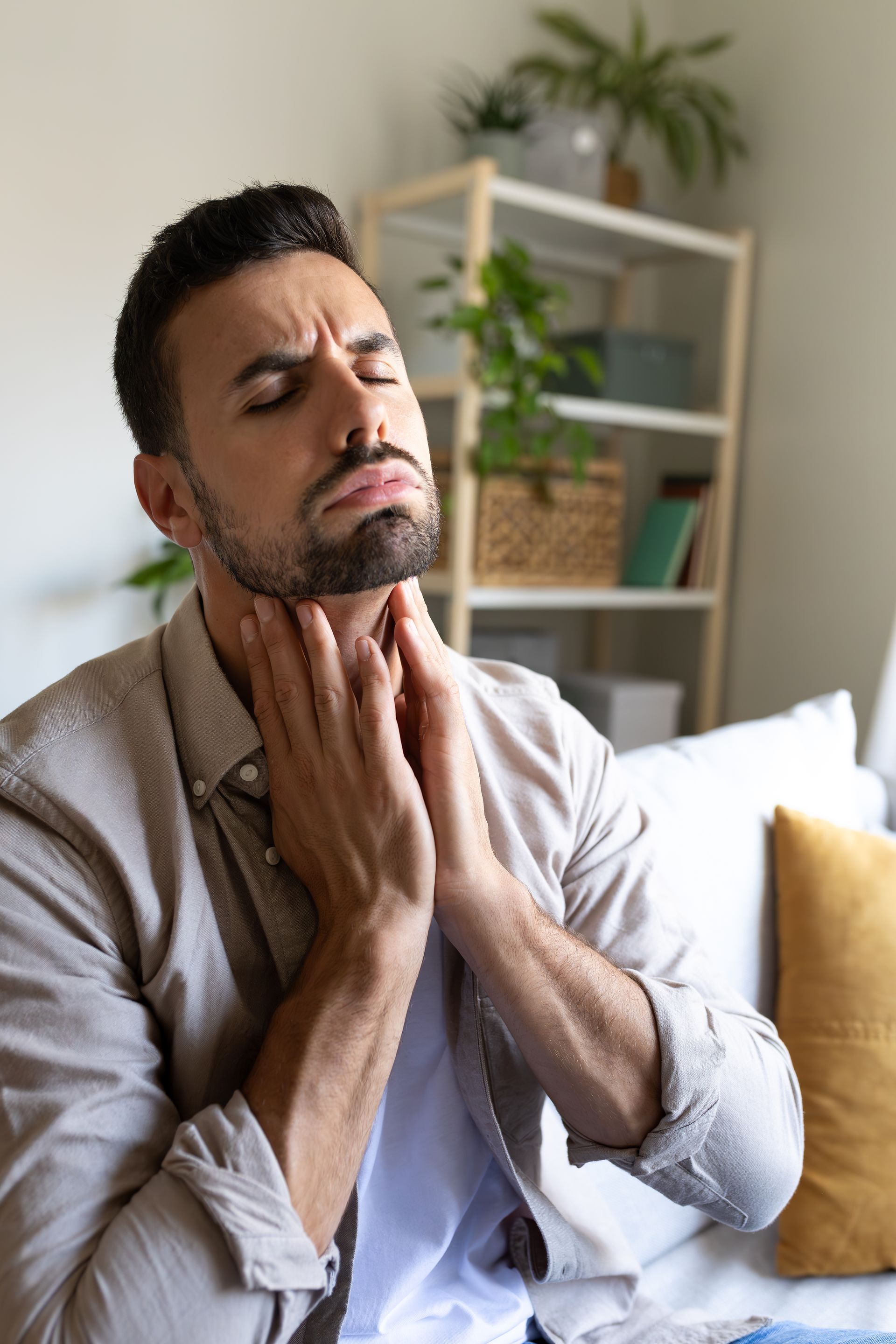
The temporomandibular joints—often called the TMJs—connect your lower jaw to your skull. The term TMD refers to a group of conditions involving these joints, the surrounding muscles, or both.
Because facial pain and headaches can have many possible causes, not every symptom is related to a temporomandibular disorder. A thoughtful evaluation helps us better understand what may be contributing to your discomfort and whether dental care is appropriate.
Possible Signs of TMD
You may benefit from an evaluation if you experience:
Jaw pain or tenderness
Discomfort while chewing
A jaw that occasionally locks
Jaw stiffness or limited movement
Painful clicking, popping, or grinding
Facial, or ear-area discomfort
Clicking or popping without pain is common and does not always require treatment. Our goal is to identify symptoms that are affecting your comfort or function—not to treat something simply because it makes a sound.
Care That Begins With Listening
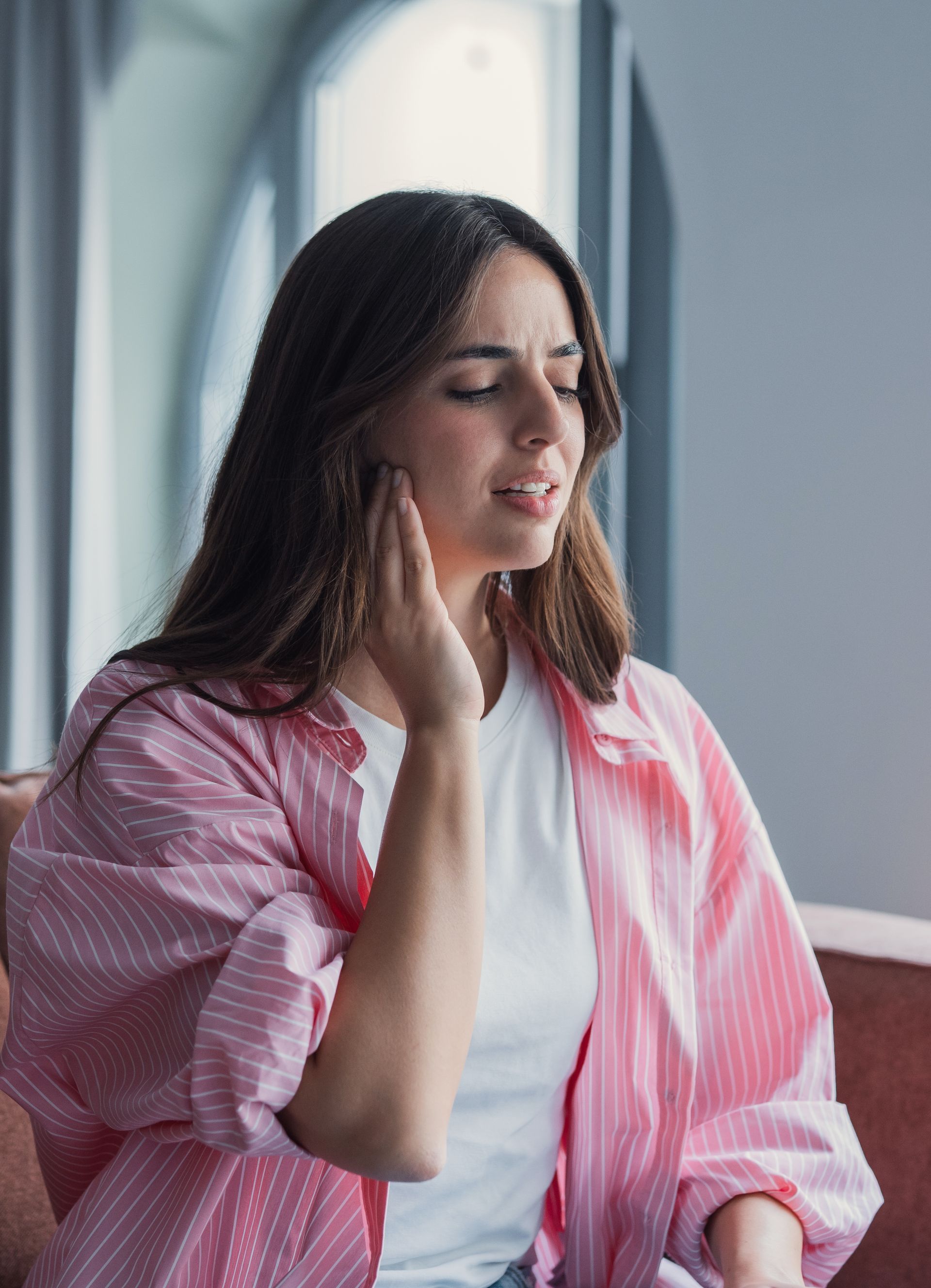
TMD symptoms are highly individual. Before discussing treatment, we will ask about the location and pattern of your discomfort, when it began, what makes it better or worse, and how it affects your daily life.
Your evaluation may include:
- A review of your dental and medical history
- An examination of your jaw joints and surrounding muscles
- An assessment of jaw movement and tenderness
- An evaluation for signs of clenching or grinding
- A review of how your teeth come together
- Digital imaging when it is appropriate and expected to provide useful information
If your symptoms appear to have a medical, muscular, or neurological cause outside the scope of dentistry, we may recommend coordinating with your physician, a physical therapist, or another qualified specialist.
A Conservative Approach to Jaw Comfort
When TMD care is appropriate, we generally begin with simple, reversible options. Recommendations will depend on your symptoms, examination, and individual needs.
Your plan may include:
At-Home Guidance
Small changes—such as temporarily choosing softer foods, reducing gum chewing, becoming more aware of clenching, or using doctor-recommended heat or cold—may help calm an irritated joint or overworked muscles.
A Custom Oral Appliance
For certain patients, a carefully designed oral appliance may help protect the teeth from grinding, reduce strain, or support more comfortable jaw positioning. An appliance should be comfortable, closely monitored, and should not be intended to permanently alter your bite.
Coordinated Care
Some patients benefit from physical therapy, medical evaluation, stress-management support, or care from an orofacial pain specialist. When another provider’s expertise may be valuable, we will explain why and help you understand the next step.
Our objective is not to promise a quick cure. It is to provide measured, responsible care designed around your comfort and long-term well-being.
Obstructive sleep apnea is a medical condition in which the airway repeatedly becomes blocked during sleep. Snoring may be one sign, but snoring alone does not confirm sleep apnea—and some people with sleep apnea may not realize their breathing is being interrupted.
A diagnosis must be made by a physician using an appropriate medical evaluation and sleep study. Once you have been diagnosed, your sleep physician may determine that oral appliance therapy is an appropriate treatment option.
Possible Warning Signs
Speak with a physician if you or your partner have noticed:
Sleep Apnea Oral Appliance Therapy
A More Comfortable Way to Support Healthier Sleep
Frequent or disruptive snoring
Pauses in breathing during sleep
Morning headaches
Persistent daytime sleepiness
Waking while gasping or choking
Dry mouth upon waking
These symptoms can indicate several different conditions. A professional medical diagnosis is essential before beginning sleep apnea treatment.
What Is a Sleep Apnea Oral Appliance?
A sleep apnea appliance is a custom-made device worn while you sleep. It gently supports the lower jaw in a position intended to help keep the airway more open.
Unlike an over-the-counter mouthguard, a sleep apnea appliance is created specifically for your anatomy and adjusted over time for comfort and effectiveness. It is also different from an appliance made for grinding or TMD; each device has a distinct purpose and should be prescribed accordingly.
CPAP remains an important and highly effective treatment for many patients. We do not encourage anyone to discontinue CPAP or change medical treatment without first speaking with their sleep physician.
Oral appliance therapy may be considered for adults who:
Have received an obstructive sleep apnea diagnosis
Prefer an oral appliance when medically appropriate
Have difficulty tolerating CPAP therapy
Have been referred or prescribed treatment by a sleep physician
Have healthy enough teeth and gums to support an appliance
Are willing to attend follow-up appointments and complete recommended sleep testing
Your Oral Appliance Experience
01
Consultation and Records
We review your diagnosis, treatment history, dental health, jaw comfort, and sleep physician’s recommendations. We also evaluate whether your teeth, gums, and jaw can comfortably support an appliance.
02
Precise Digital Impressions
When you are a candidate, we use digital scanning to capture a detailed model of your teeth. This supports a more precise, comfortable fit without relying on traditional impression material whenever possible.
03
Custom Appliance Design
Your appliance is created specifically for your mouth and treatment needs. It is designed to be adjustable so that its position can be refined gradually.
04
Personalized Fitting
Once your appliance is ready, we confirm the fit, make necessary adjustments, and show you how to insert, remove, clean, and care for it.
05
Gradual Adjustment
The appliance may be advanced incrementally to balance airway support with jaw comfort. This process is personalized and should never feel rushed.
06
Medical Follow-Up
Your sleep physician may recommend follow-up sleep testing to determine whether the appliance is adequately controlling your sleep apnea. Ongoing dental visits allow us to monitor the fit, your bite, jaw comfort, and the condition of the appliance.
Precision Designed Around You
Modern technology allows us to plan treatment with greater detail while creating a more comfortable patient experience.
Depending on your needs, your care may incorporate:
- Digital impressions for a precise appliance fit
- CBCT imaging when clinically appropriate
- Detailed evaluation of your teeth, bite, jaw, and airway
- Digital records that make it easier to monitor changes
- Carefully measured appliance adjustments
Technology supports our process, but it never replaces personal attention. Every recommendation is guided by your diagnosis, comfort, and overall health.
The Right Appliance for the Right Purpose
A TMD appliance, grinding guard, and sleep apnea appliance are not interchangeable.
TMD Appliance
May be used to support conservative management of certain jaw-joint or muscle-related symptoms.
Nightguard
Primarily designed to protect the teeth from damage associated with grinding or clenching.
Sleep Apnea Appliance
Designed to support the airway and is provided as part of a medically coordinated treatment plan following a sleep apnea diagnosis.
Choosing the correct appliance begins with identifying the condition being treated. We will explain the purpose, limitations, and expectations of any device before you decide to move forward.
Premium Care Without Pressure
At Mandarin Dentistry, your treatment recommendations are based on your health, comfort, and goals—not the limitations of an insurance plan.
We are happy to review your available insurance benefits as a courtesy and explain anticipated costs before treatment begins. Flexible financing options through CareCredit and Proceed Finance may also be available for qualified patients.
Frequently Asked Questions
Is TMJ the same as TMD?
Not exactly. TMJ is the abbreviation for the temporomandibular joint itself. TMD describes a group of disorders affecting the jaw joints, chewing muscles, or related structures.
Does jaw clicking mean I need treatment?
Not necessarily. Clicking or popping without pain is common and may not require treatment. An evaluation may be helpful when joint sounds are accompanied by pain, locking, limited movement, or changes in function.
Can an oral appliance cure TMD?
An appliance does not cure every temporomandibular disorder. For appropriately selected patients, it may help protect the teeth, reduce strain, or support symptom management. Results vary, and appliances should be monitored to ensure they are not increasing discomfort or changing the bite.
Can a dentist diagnose sleep apnea?
A dentist can identify warning signs and help determine whether a medical sleep evaluation may be appropriate. However, obstructive sleep apnea must be diagnosed by a physician using the appropriate medical testing.
Is an oral appliance an alternative to CPAP?
For some adults with diagnosed obstructive sleep apnea, a sleep physician may prescribe oral appliance therapy when the patient prefers it or cannot tolerate CPAP. CPAP may remain the most appropriate treatment for other patients, particularly depending on the nature and severity of their condition.
Will a store-bought mouthguard help with sleep apnea?
Over-the-counter mouthguards are not substitutes for custom sleep apnea appliances. Effective oral appliance therapy requires the correct diagnosis, a purpose-built adjustable device, professional fitting, and ongoing monitoring.
Feel Better During the Day. Rest More Comfortably at Night.
You deserve clear answers and care that considers the complete picture. Whether jaw discomfort is making everyday activities difficult or your physician has recommended exploring an oral appliance for sleep apnea, Mandarin Dentistry is here to help you understand your options.